
Miners Take Fight Over Deadly Silica Dust to West Virginia Supreme Court
The UMWA and 52 miners are asking the WV Supreme Court to order the state coal mine safety board to vote on a silica dust limit, citing miners diagnosed with severe black lung as young as 32.
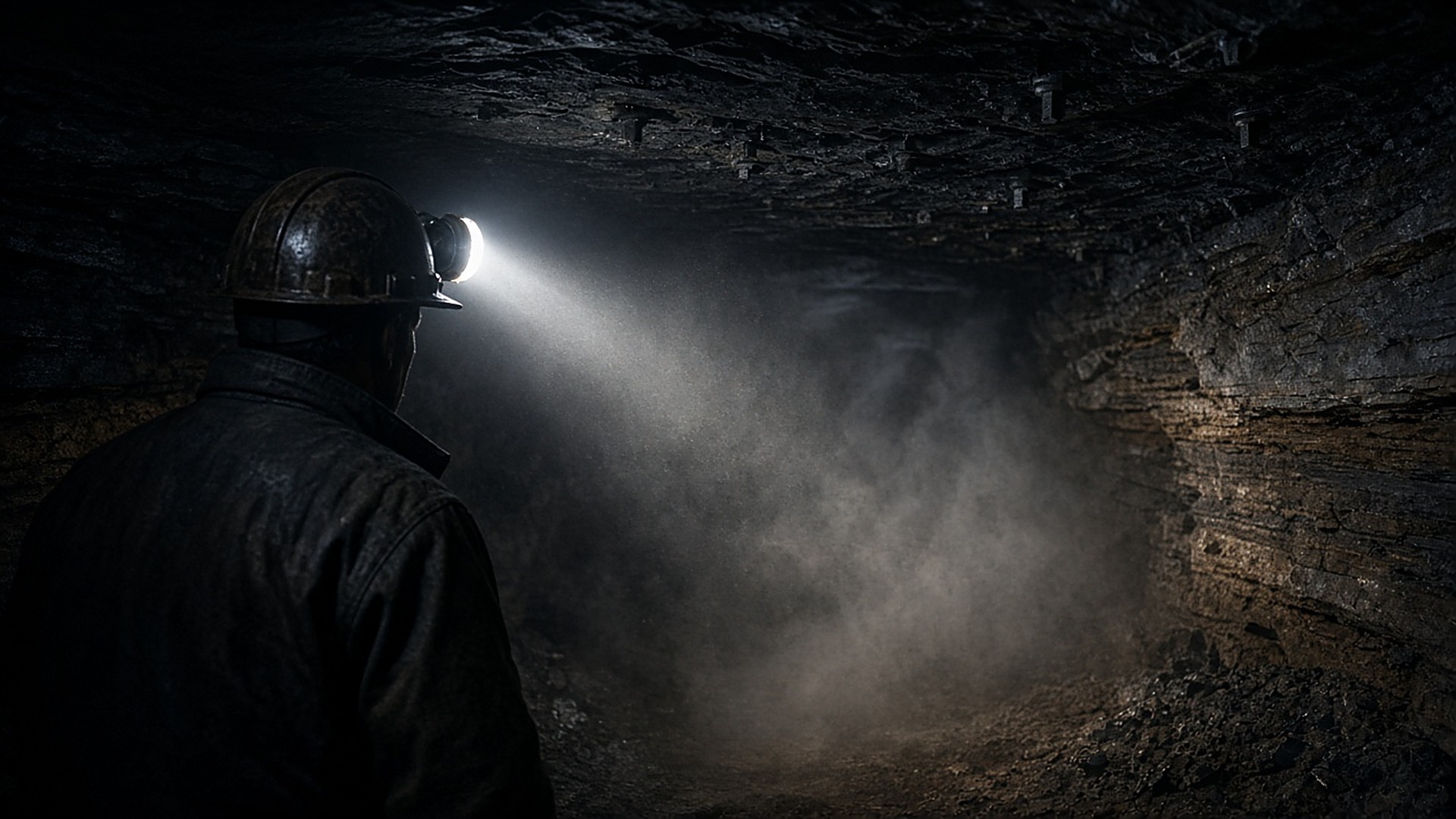
Coal miners have spent generations giving everything they have to this state. Now a group of them is asking West Virginia's highest court to make sure the air they breathe underground doesn't take their lungs, too.
The United Mine Workers of America and 52 miners filed an emergency petition with the West Virginia Supreme Court of Appeals on Oct. 29, asking the justices to order the state Board of Coal Mine Health and Safety to act on silica dust in coal mines. A spokesman for the court has confirmed the case is on the docket, though it will likely be heard next year.
What the miners are asking for
The petition says state law has long directed the board to write rules governing respirable dust in mines, and argues the board has gone more than four decades without setting any enforceable limit on respirable crystalline silica. It asks the court to require the board to hold a meeting, take a vote on adopting a silica dust limit and an enforcement program, and put its reasons on the record within 180 days, the same kind of order the court issued in a 1984 case brought by the union.
The filing also argues the board and the state's health and safety administrator have left deaths and disabilities from dust-driven lung disease out of the annual reviews state law requires them to do on the major causes of mining injuries and fatalities.
Young miners, serious disease
Almost all of the people named in the petition are West Virginia coal miners, or represent one, who developed severe lung disease from silica dust. The rest are active miners who breathe that dust on the job every day, along with the union itself.
The petition describes miners diagnosed with progressive massive fibrosis, the most severe form of black lung, before age 50. The youngest was 32 when he was diagnosed. According to the filing, three of the miners have had double lung transplants, one of whom died 25 days after the surgery, and others are being evaluated for transplants now.
Much of the problem traces back to thin-seam coal. Getting to those thinner seams means cutting through more sandstone, and that rock throws off silica dust that miners breathe in. Over time, coal and rock dust scar the lungs and slowly destroy them. Black lung cases have climbed to levels not seen since the 1970s.
West Virginians know this danger better than most. The Hawks Nest Tunnel disaster in Fayette County during the Great Depression, when hundreds of workers died after breathing silica while drilling through sandstone, remains one of the worst industrial disasters in American history.
Why now
Federal mine safety regulators adopted a rule in 2024 to limit silica dust in mine air, and it was supposed to take effect in 2025. The federal Mine Safety and Health Administration has since delayed putting it into effect indefinitely. The miners' legal team sees the state case as a way to get protections moving while the federal rule sits on hold, noting that in the past, state action on mine safety has pushed federal regulators to follow.
The state board had not publicly responded to the petition as of Monday.
We'll keep an eye on this one for the families in our coalfields who have been waiting a long time for an answer.
Share this article