
$3.9 Million Headed to CAMC to Grow Rural Health Care in West Virginia
Gov. Patrick Morrisey announced more than $3.9 million for CAMC to train and keep rural health care providers, expand telehealth, and help people with chronic conditions stay on the job, including up to $75,000 for fellows who commit to five years.
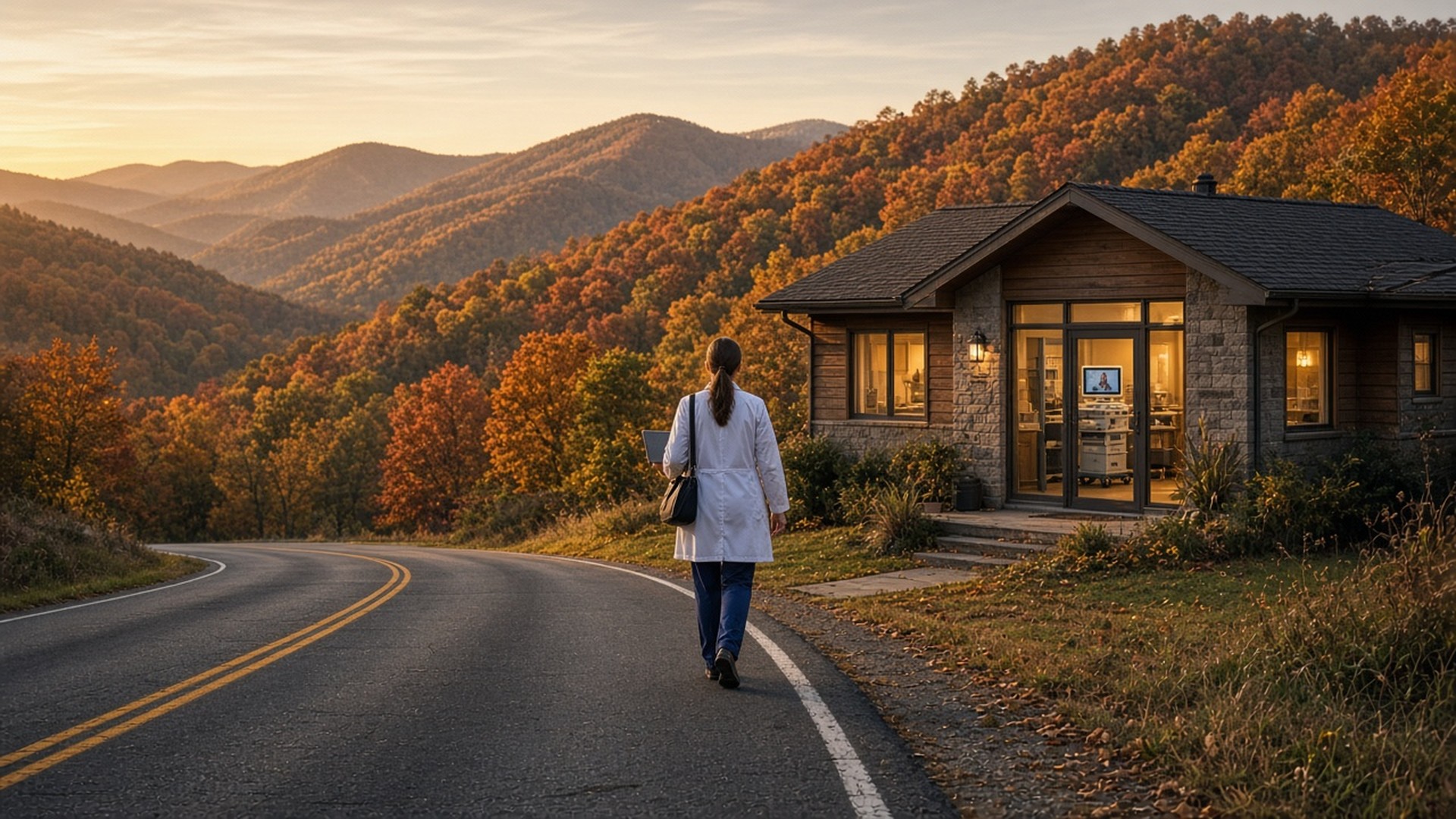
Anybody who has driven an hour or more over the mountains to see a doctor knows just how much rural health care matters here at home. Now a new round of state money is aimed squarely at that problem, and at keeping good health care workers right here in West Virginia.
Gov. Patrick Morrisey announced Friday that Charleston Area Medical Center, better known to most of us as CAMC, will receive more than $3.9 million through the West Virginia Rural Health Transformation Program. The money comes in three awards meant to train and keep rural health care providers, widen access to care, and help West Virginians living with chronic health conditions hold onto their jobs or get back to work.
"These investments are going to make a real difference for West Virginians, whether it's helping someone manage a chronic health condition, stay on the job, or get the care they need closer to home," Morrisey said. "When more people are healthy and able to work, we're strengthening our economy, improving the standard of living, and creating a virtuous circle that benefits the entire state."
Where the money goes
$500,000 for hands-on training. The first award expands clinical education, simulation-based training and virtual mentorship for rural providers. It puts practical tools in their hands, including portable ultrasound, telehealth capabilities and digital teaching resources, with a focus on chronic conditions and other priority health needs.
$1,693,946 to build the pipeline. The second award, focused on Kanawha County, is meant to prepare more health care professionals for rural practice. It supports training for advanced practice provider fellows, including curriculum and faculty and preceptor development, along with telehealth stations in rural areas and help with housing, onboarding and travel for rural clinical placements. Eligible fellows may also receive $15,000 a year, up to $75,000 total, in exchange for committing to work five years after graduation in Vandalia Health facilities.
$1,736,320 to help people stay on the job. The third award supports CAMC's Pathways to Success program, which helps West Virginians with chronic health conditions keep working or return to work. It pays for Workforce Health Liaisons who will assess each participant's needs, help them navigate care, work with employers and build individual return-to-work plans.
Part of a bigger push
Two of the awards fall under the state's Mountain State Care Force initiative, which focuses on training, developing and keeping rural providers. The third comes through the Health to Prosperity initiative, which targets the health problems that keep people out of the workforce.
State Health Secretary Dr. Arvin Singh said CAMC brings the clinical expertise, education setup and community ties needed to turn the money into results. "We know CAMC understands West Virginia, and we're confident in its ability to help strengthen both the health of our people and our workforce," Singh said.
The Rural Health Transformation Program is funded by the Centers for Medicare and Medicaid Services, and West Virginia's overall federal award totals about $199.5 million. The governor's office said more awards will be announced as the state keeps rolling out the program.
For the nurse practitioner deciding whether to put down roots in a small town, or the worker trying to manage diabetes and keep a paycheck coming in, this is the kind of help that can make all the difference. Here's hoping it means shorter drives and more familiar faces in clinics across the Mountain State.
Share this article