
Featured image: AI-generated image based on a photograph by Csassen13, CC0.

There is no single way to know West Virginia. A bridge above a gorge, a downtown market, a radio telescope and a coal-camp schoolhouse each reveal a different piece of it.
These 20 places are an invitation rather than a test of belonging. Some are free and open year-round; others need a ticket, a reservation or a seasonal boat or train. Check the linked visitor information before making plans.
1. New River Gorge Bridge
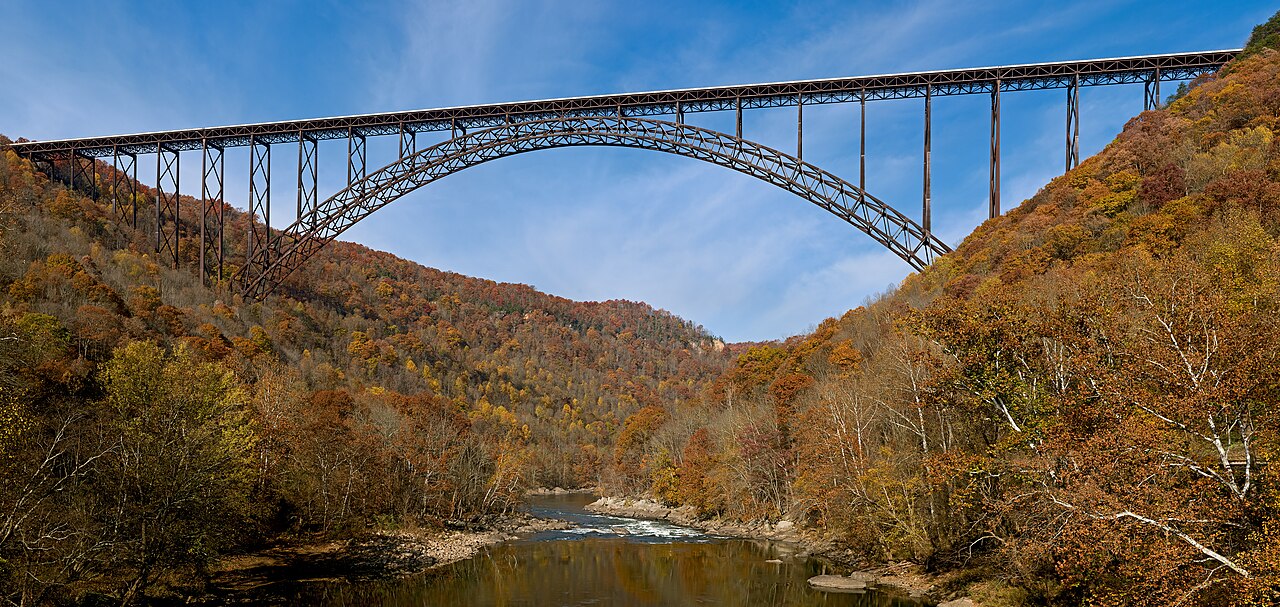

The arch is familiar from photographs, but seeing it span the gorge puts its scale into perspective. Begin at Canyon Rim Visitor Center and choose a viewpoint that suits your mobility.
The park does not charge an entrance fee. The lower overlook has stairs, and some guided bridge experiences cost extra. Visitor information.
2. Blackwater Falls
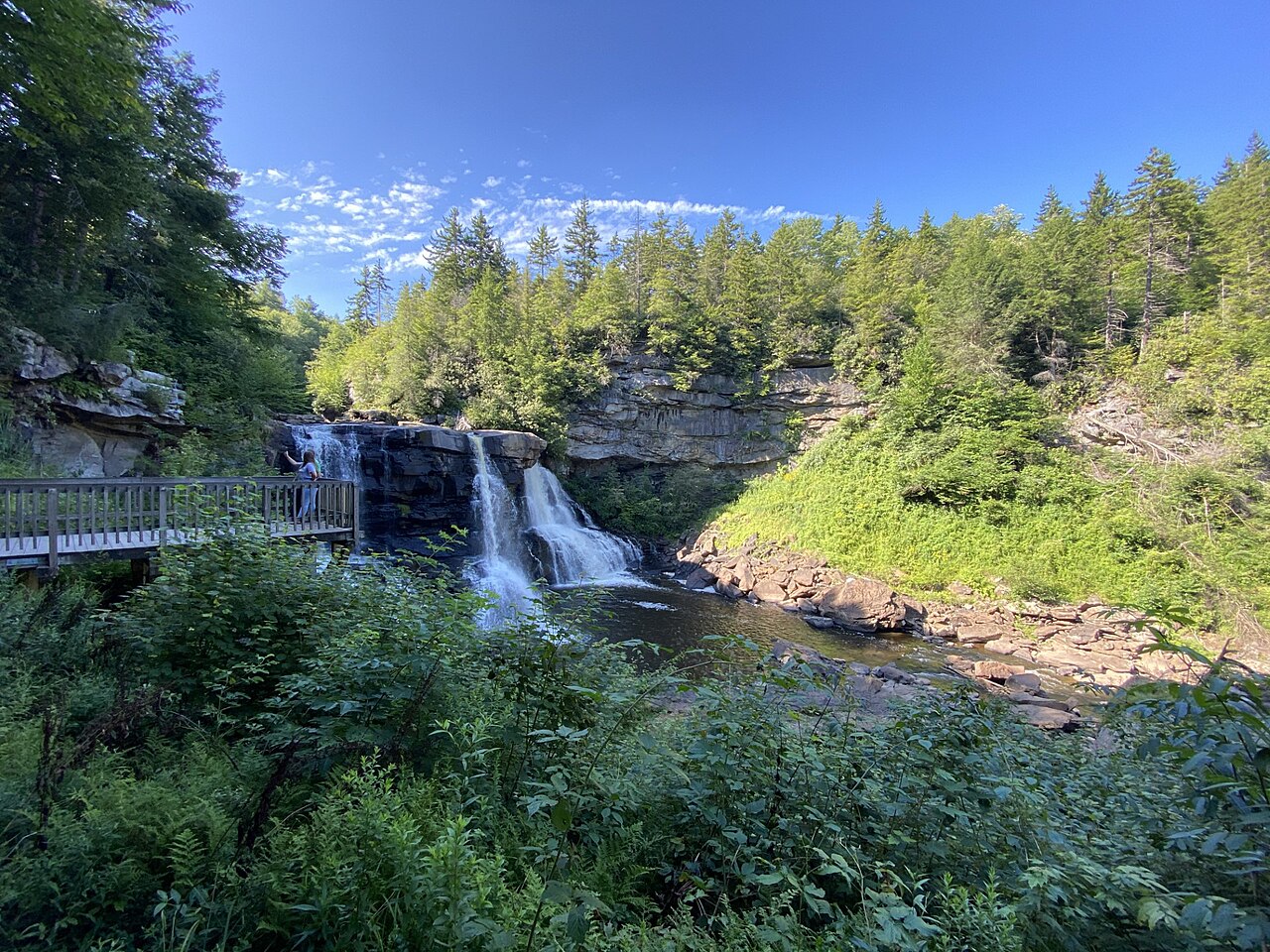
The Blackwater River drops over sandstone in a forested state park near Davis. Tannins give the water its distinctive dark color, and the falls have a different mood in each season.
Check the state park’s trail descriptions: the popular boardwalk involves many steps, while other viewpoints and walks offer different levels of effort. Visitor information.
3. Seneca Rocks
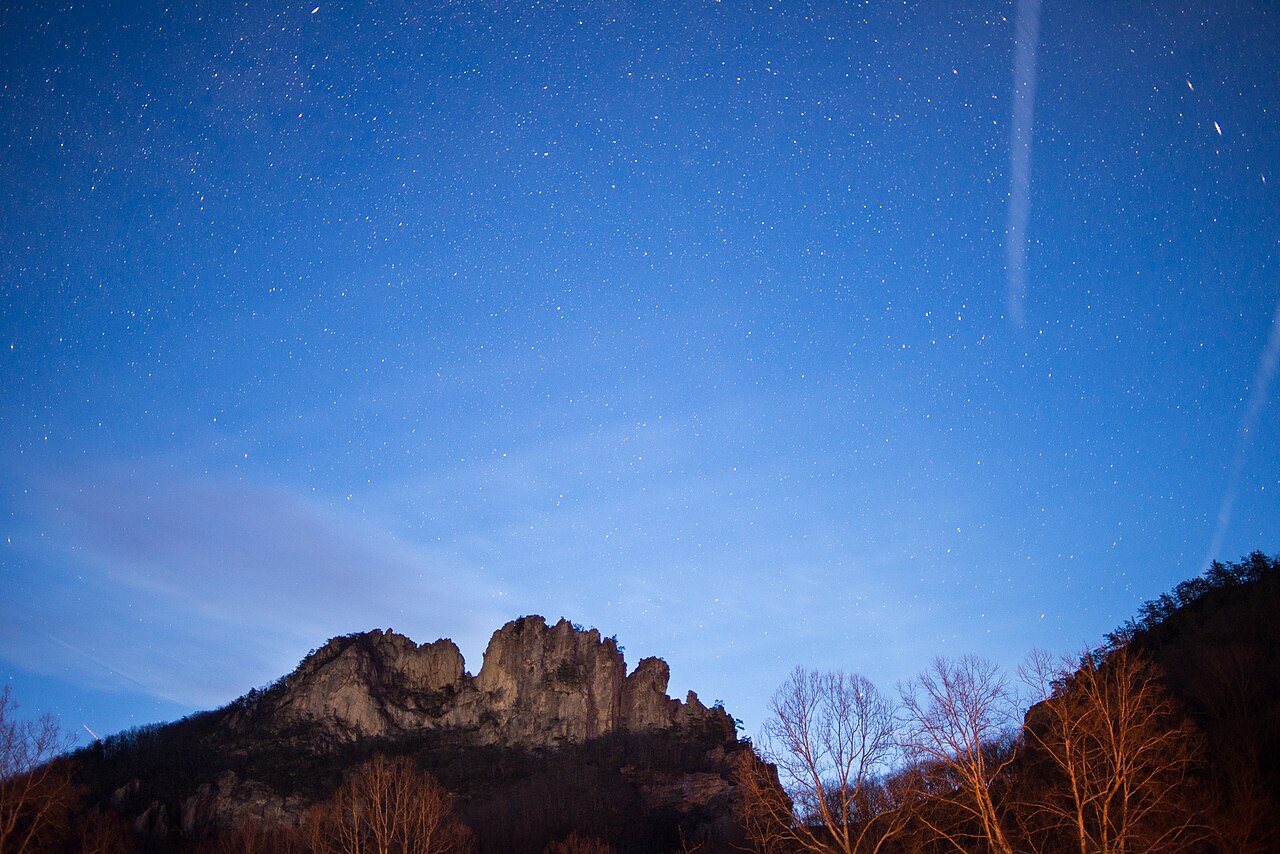

Seneca Rocks rises sharply from the valley in the Monongahela National Forest. The rock formation is impressive from below; the developed trail gives prepared hikers another perspective.
Check conditions and visitor-center availability before going. The exposed rock itself is technical climbing terrain, not a casual continuation of the hiking trail. Visitor information.
4. Harpers Ferry National Historical Park
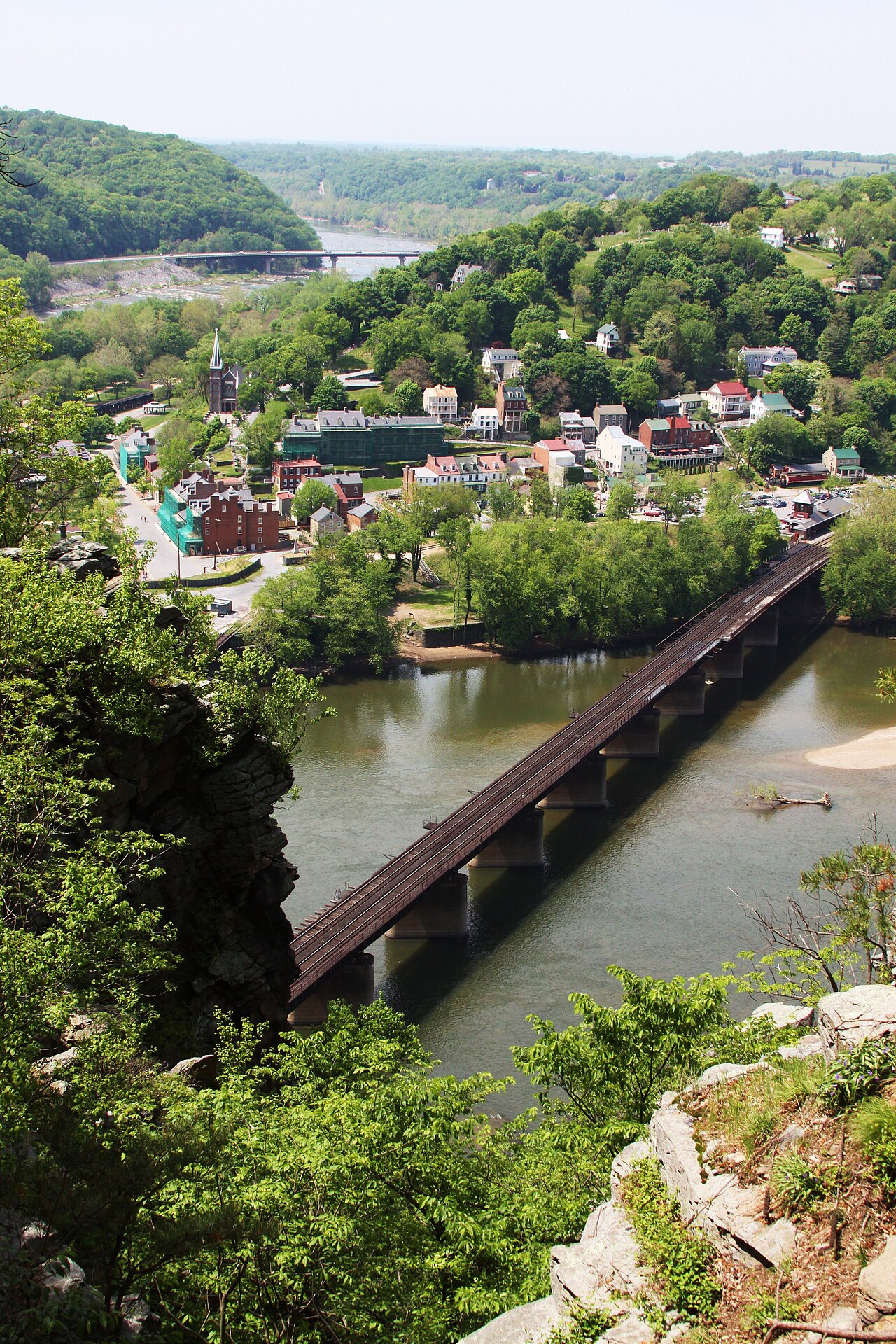

The confluence of two rivers and the streets of Lower Town bring natural scenery and layered American history together. The park interprets industry, abolition, the Civil War and the people who lived here.
Use the visitor center and shuttle to reach Lower Town. Check park fees and exhibit hours, and wear shoes suited to uneven historic streets. Visitor information.
5. Cass Scenic Railroad
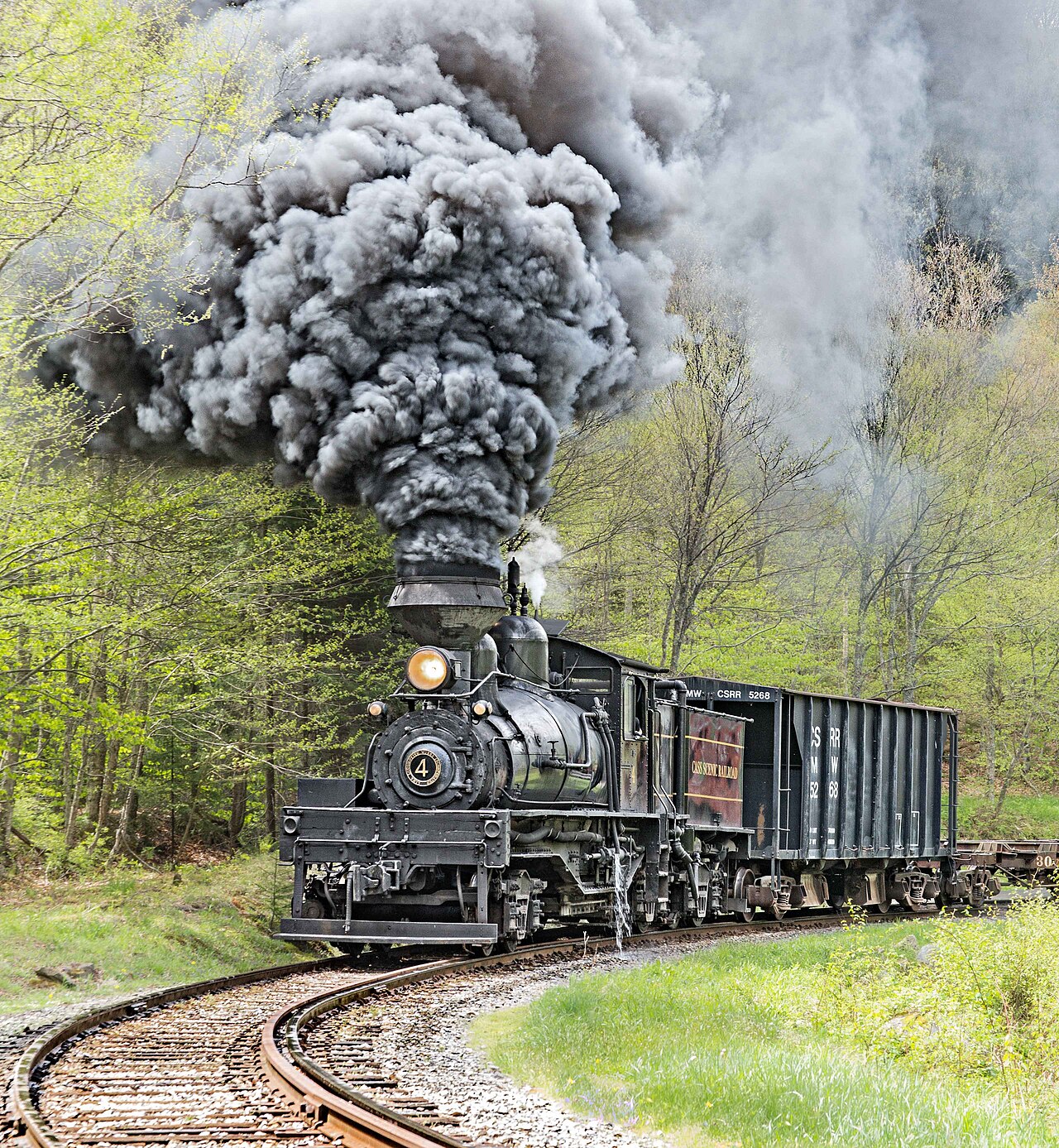

Cass preserves the feel of a lumber-company town and offers scenic rail excursions through mountain country. The historic setting and the ride are connected, but you can appreciate the town’s story even if you do not board a train.
Train rides require tickets and operate on a schedule. Check dates and book ahead when a specific departure matters. Visitor information.
6. Glade Creek Grist Mill
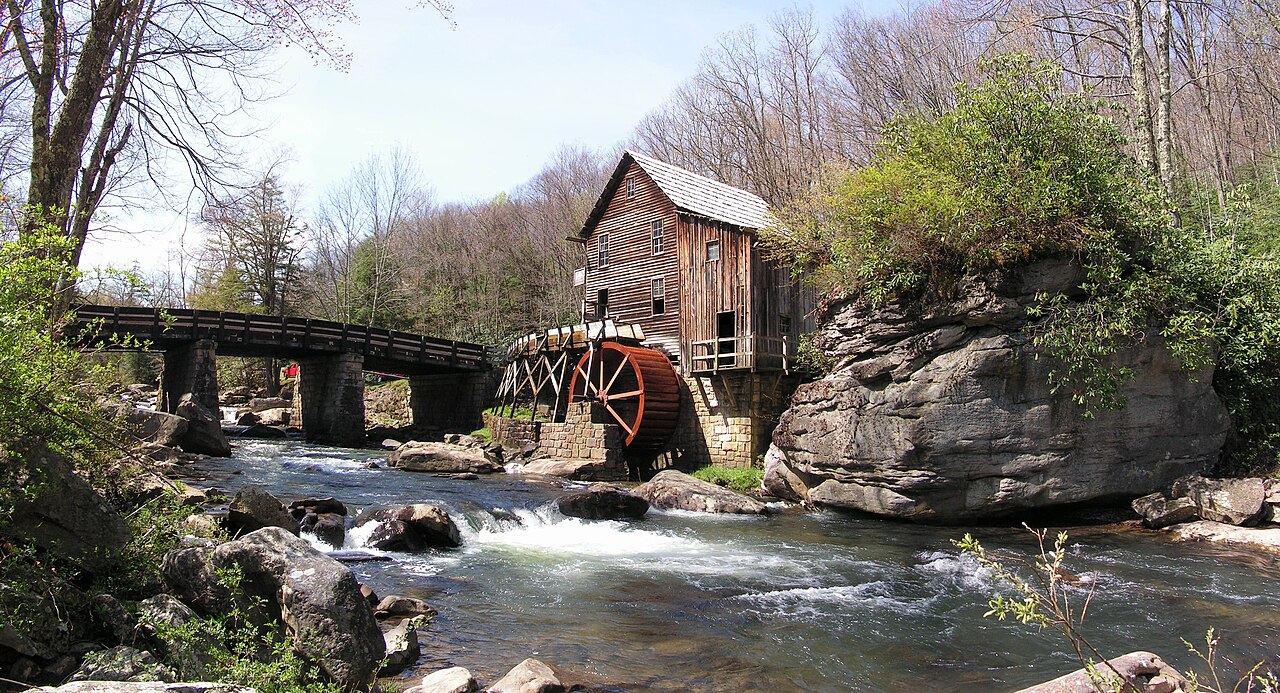

The wooden mill beside Glade Creek is an enduring West Virginia scene. It was assembled to recreate an earlier mill on the site, using parts from historic mills elsewhere in the state.
The surrounding Babcock State Park is free to enter. Mill demonstrations and access can be seasonal; consult the park before planning around them. Visitor information.
7. Green Bank Observatory
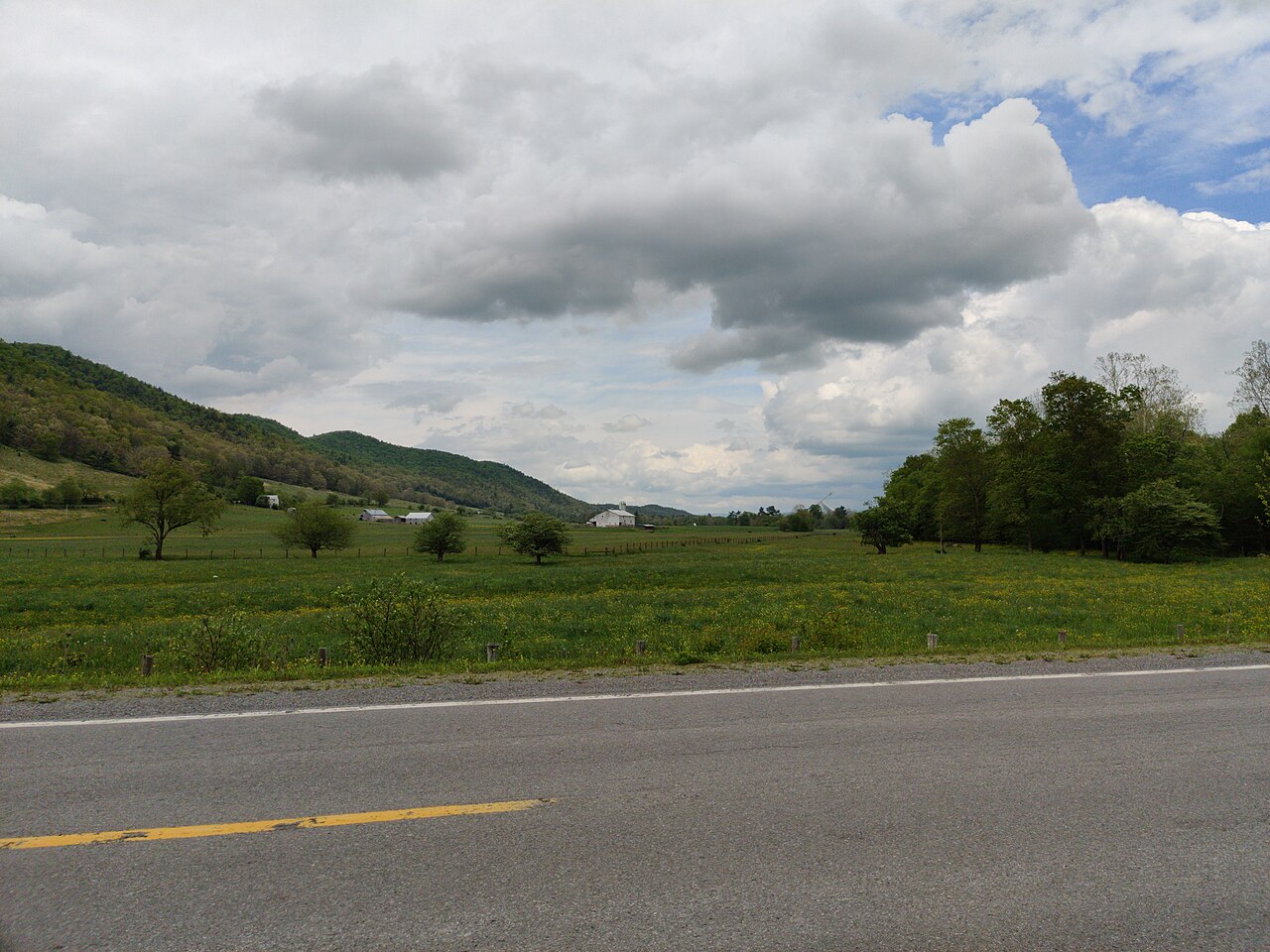

A giant radio telescope rising above Pocahontas County is a reminder that the state’s story includes cutting-edge science as well as scenery. The science center explains how astronomers listen to the universe.
The exhibit hall and self-guided grounds are free; guided tours cost extra. Follow the observatory’s instructions about electronic devices and check the science center’s schedule. Visitor information.
8. Coopers Rock State Forest
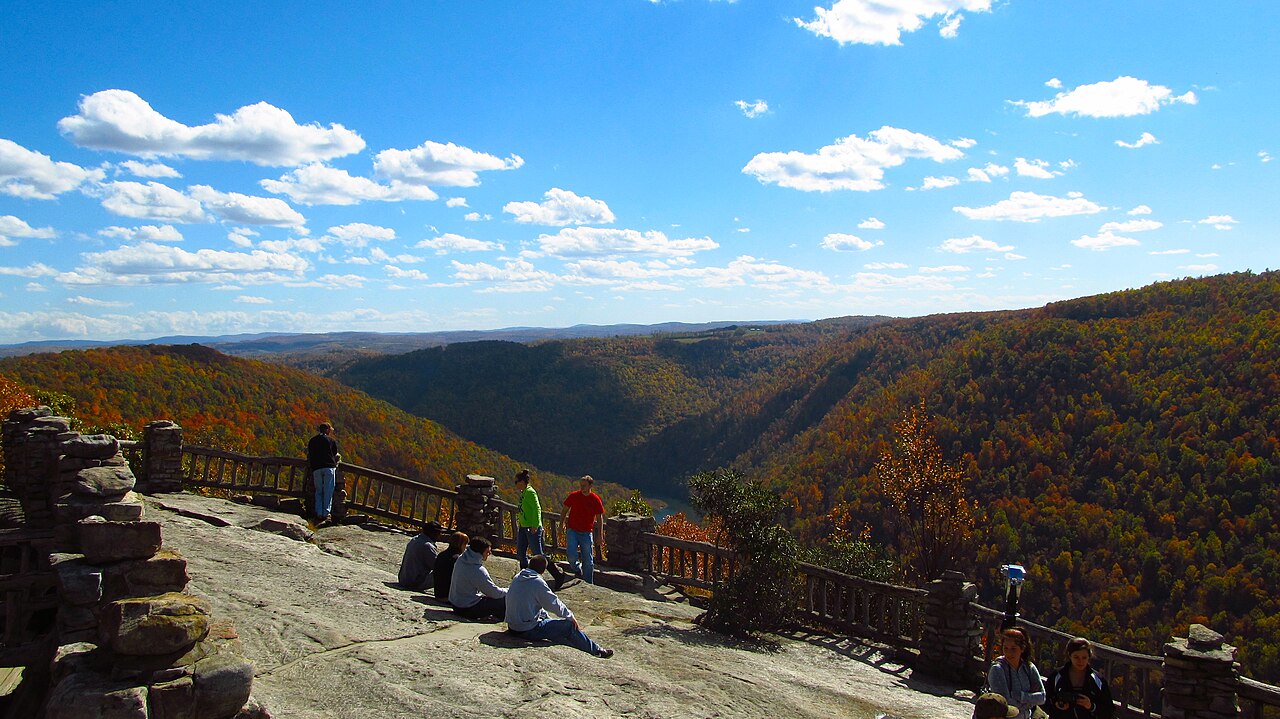

From the overlook, the Cheat River cuts through a broad, wooded gorge. It is a memorable introduction to northern West Virginia’s high country and an easy centerpiece for a picnic.
There are trails for a longer visit. Confirm road and trail conditions in winter and stay behind barriers at overlooks. Visitor information.
9. Spruce Knob
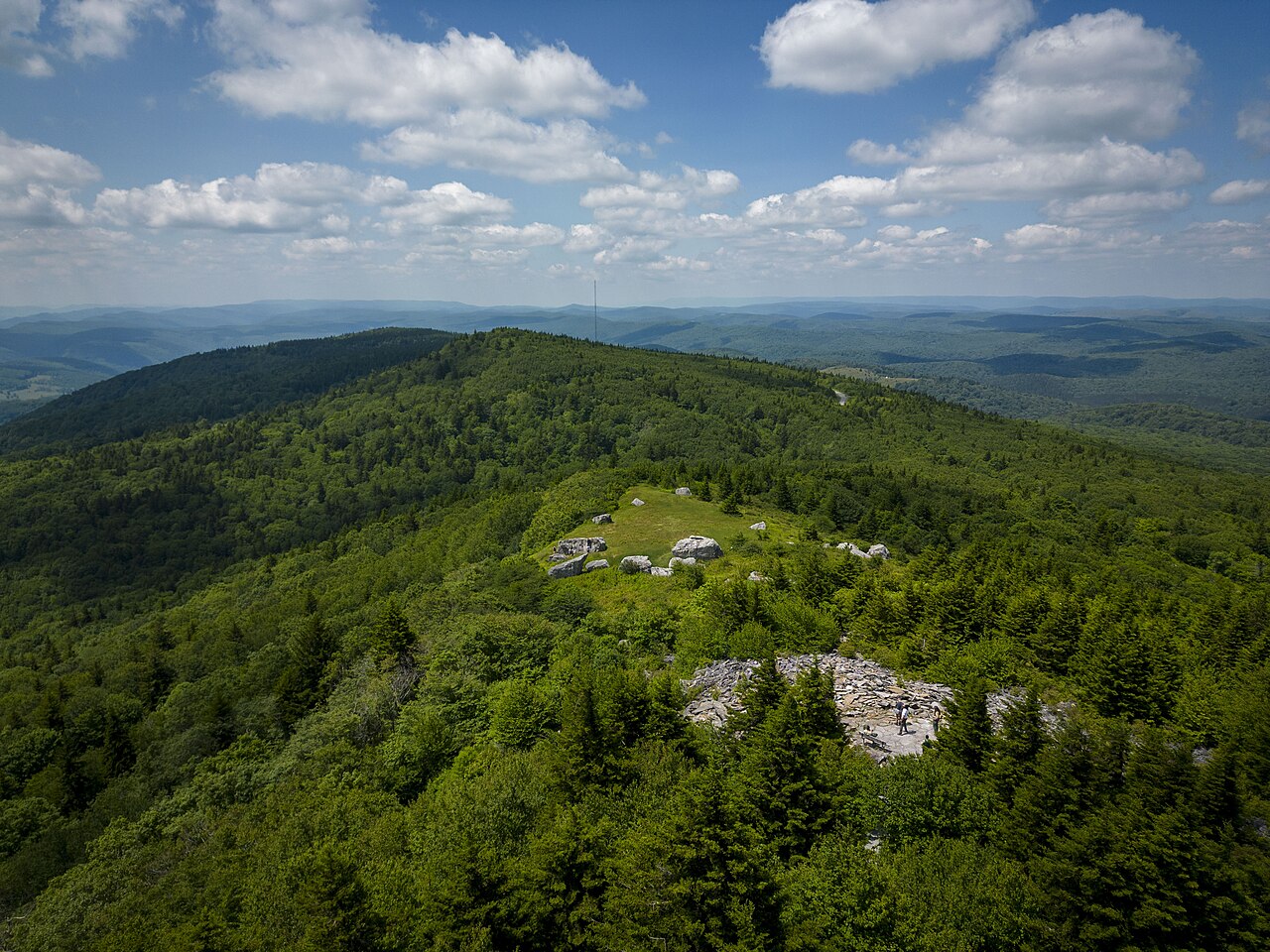

At 4,863 feet, Spruce Knob is the state’s highest point. The spruce forest and high-elevation landscape make it feel very different from a river valley on the same day.
Check the forecast and access roads before going; weather at elevation can change quickly. The Forest Service publishes maps for the surrounding recreation area. Visitor information.
10. West Virginia State Capitol and State Museum
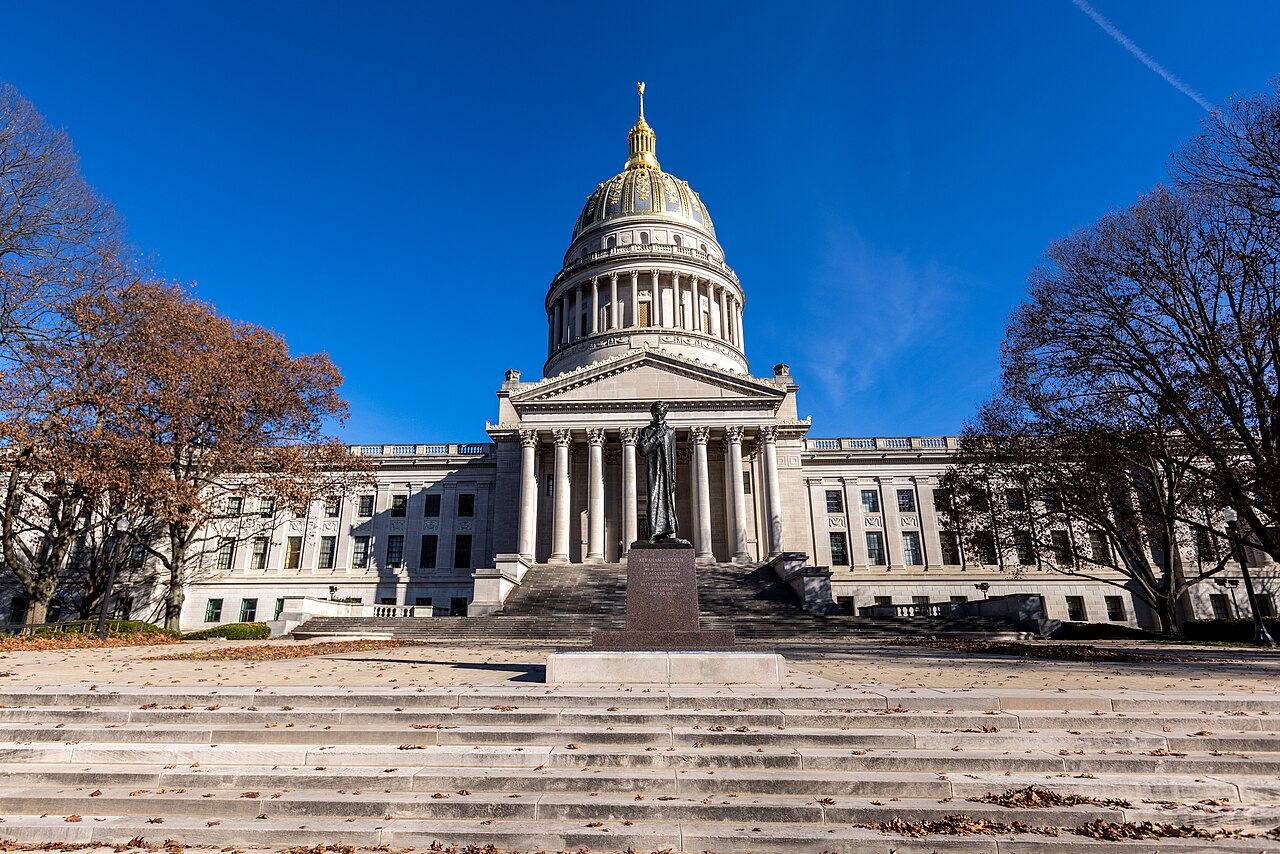

The gold-domed Capitol is one of the state’s defining landmarks. Nearby, the State Museum adds context through exhibits on the people, industries and landscapes that shaped West Virginia.
Museum admission is free. Verify its current hours, and check visitor and security information before planning a Capitol tour. Visitor information.
11. Blennerhassett Island
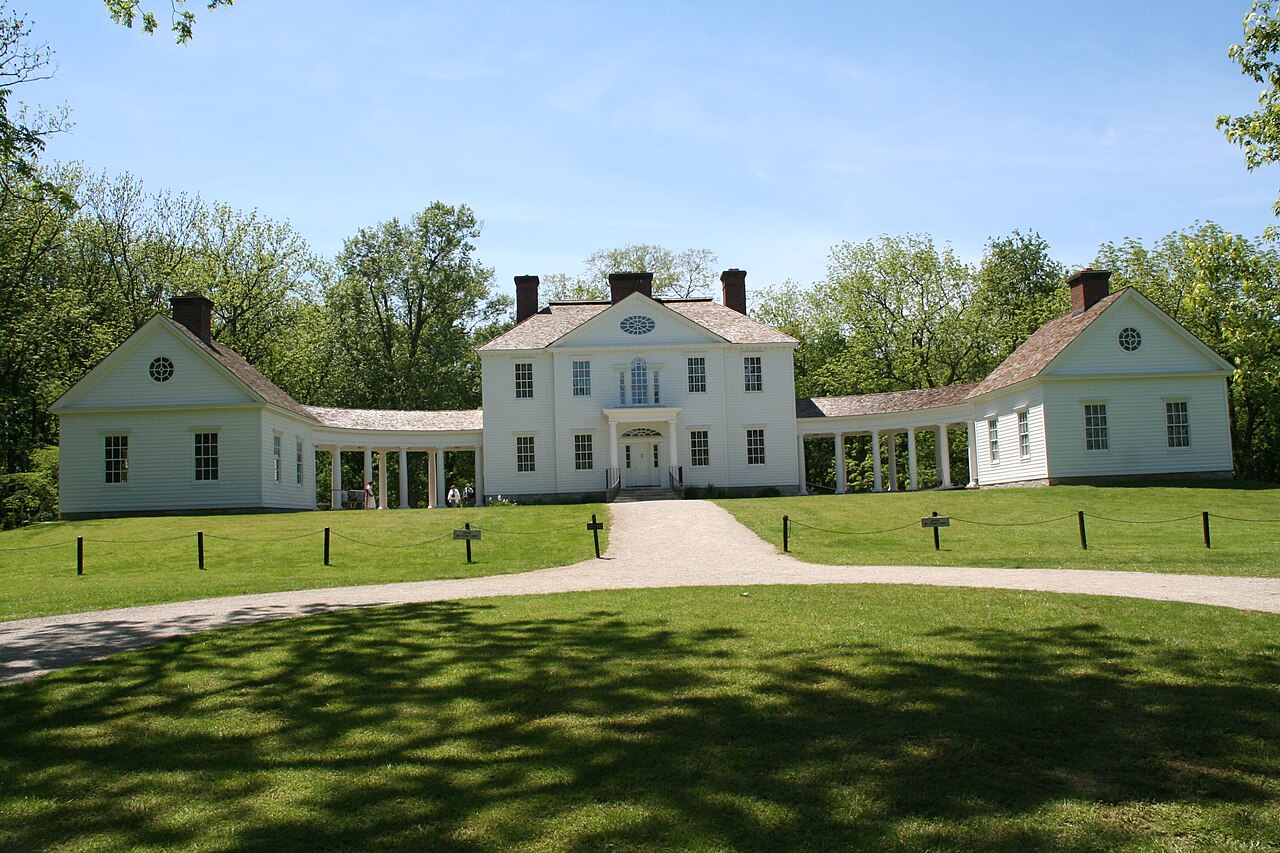

A boat crossing from Parkersburg takes visitors to an island with a reconstructed mansion and grounds. The river journey makes this feel like a genuine excursion rather than a quick museum stop.
The boat and island attractions are seasonal and ticketed. Check departure times and what your ticket includes before building the day around them. Visitor information.
12. Grave Creek Mound
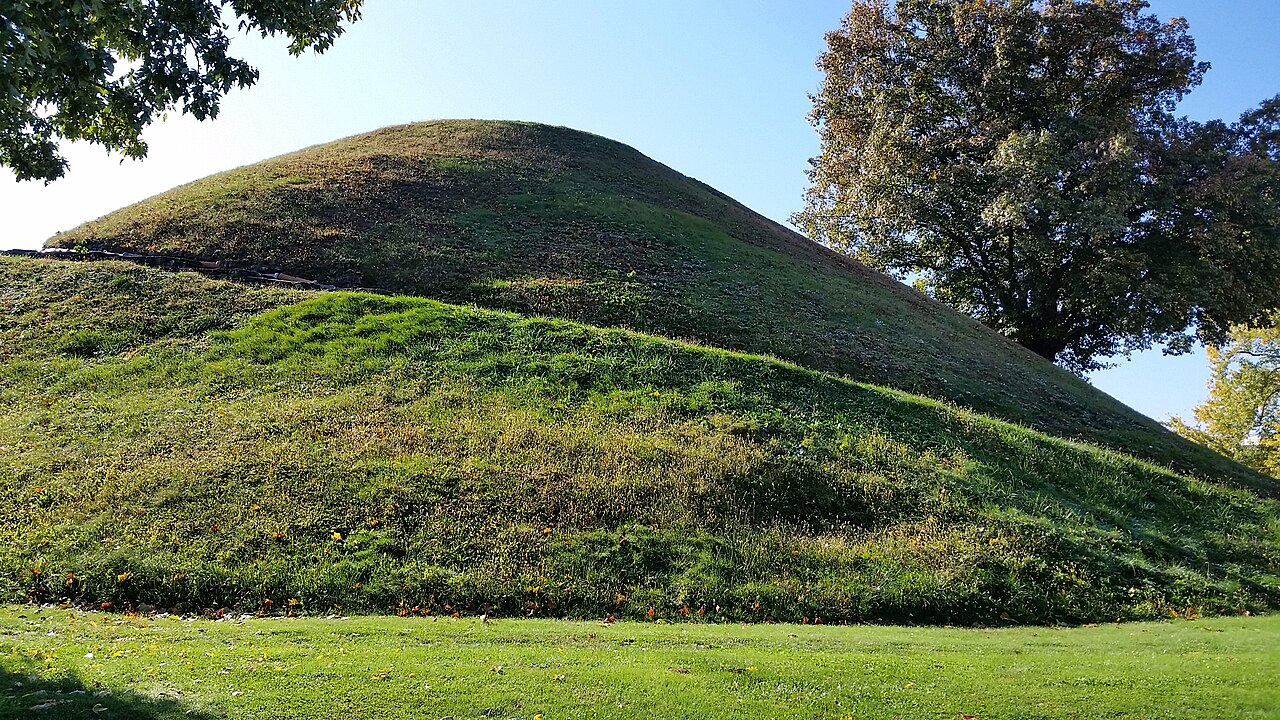

This substantial earthen mound and its museum preserve and interpret a much older history than the state itself. The archaeological complex is a place to learn about the Indigenous people who shaped the Ohio Valley.
The museum lists free admission. Check opening hours and take time with the exhibits, not only the outdoor view. Visitor information.
13. Berkeley Springs State Park
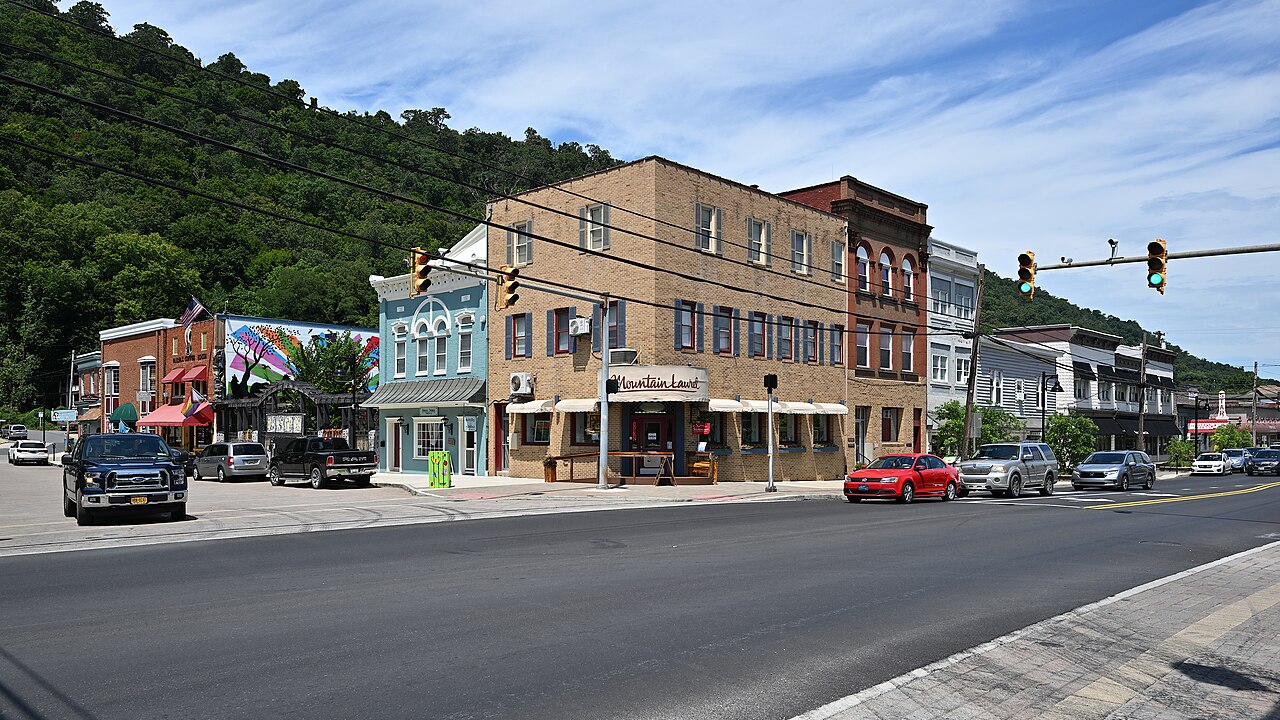

A state park in the middle of town makes Berkeley Springs an unusual stop. Its warm mineral springs have attracted visitors for generations and remain central to the town’s identity.
Walking the grounds and reserving a treatment are different experiences: spa services have their own fees and schedules. Plan ahead if a soak is the goal. Visitor information.
14. Beckley Exhibition Coal Mine
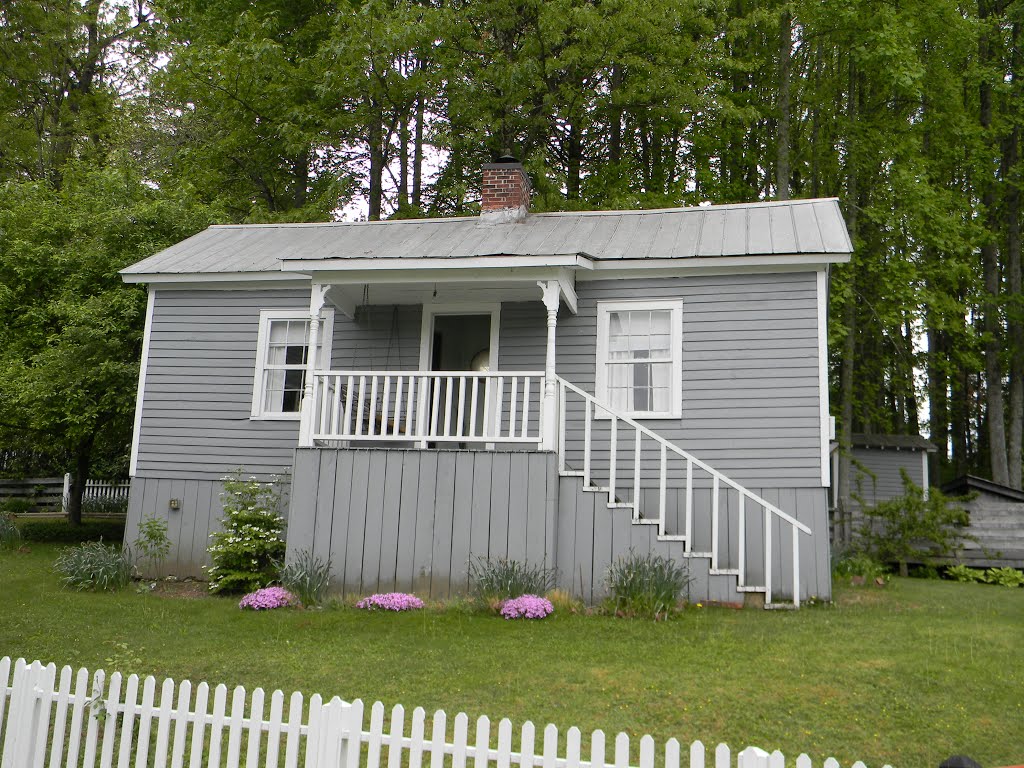

An underground tour and restored coal-camp buildings help visitors understand the people and communities behind West Virginia coal. The site is operated by the City of Beckley.
The regular season and tours have admission charges; the city advises allowing roughly two to two and a half hours for the broader visit. Check the current schedule. Visitor information.
15. West Virginia Independence Hall
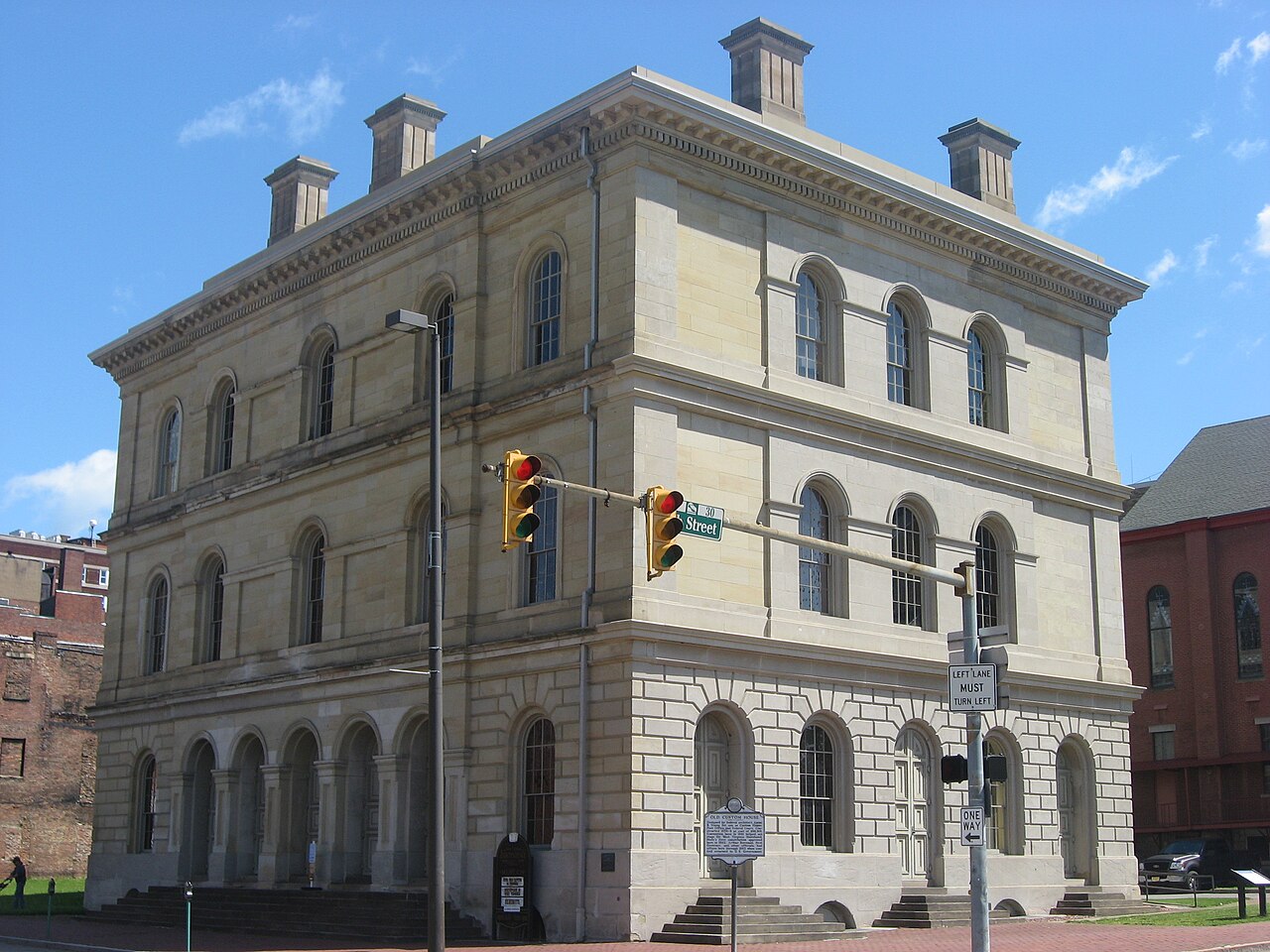

Wheeling’s former federal building played a role in the political events that led to statehood. It is a rewarding stop for anyone who wants the details behind a date memorized in school.
The museum is free. Its own history explains that the building was the capitol of the Restored Government of Virginia, rather than a West Virginia state capitol. Visitor information.
16. Prickett’s Fort State Park
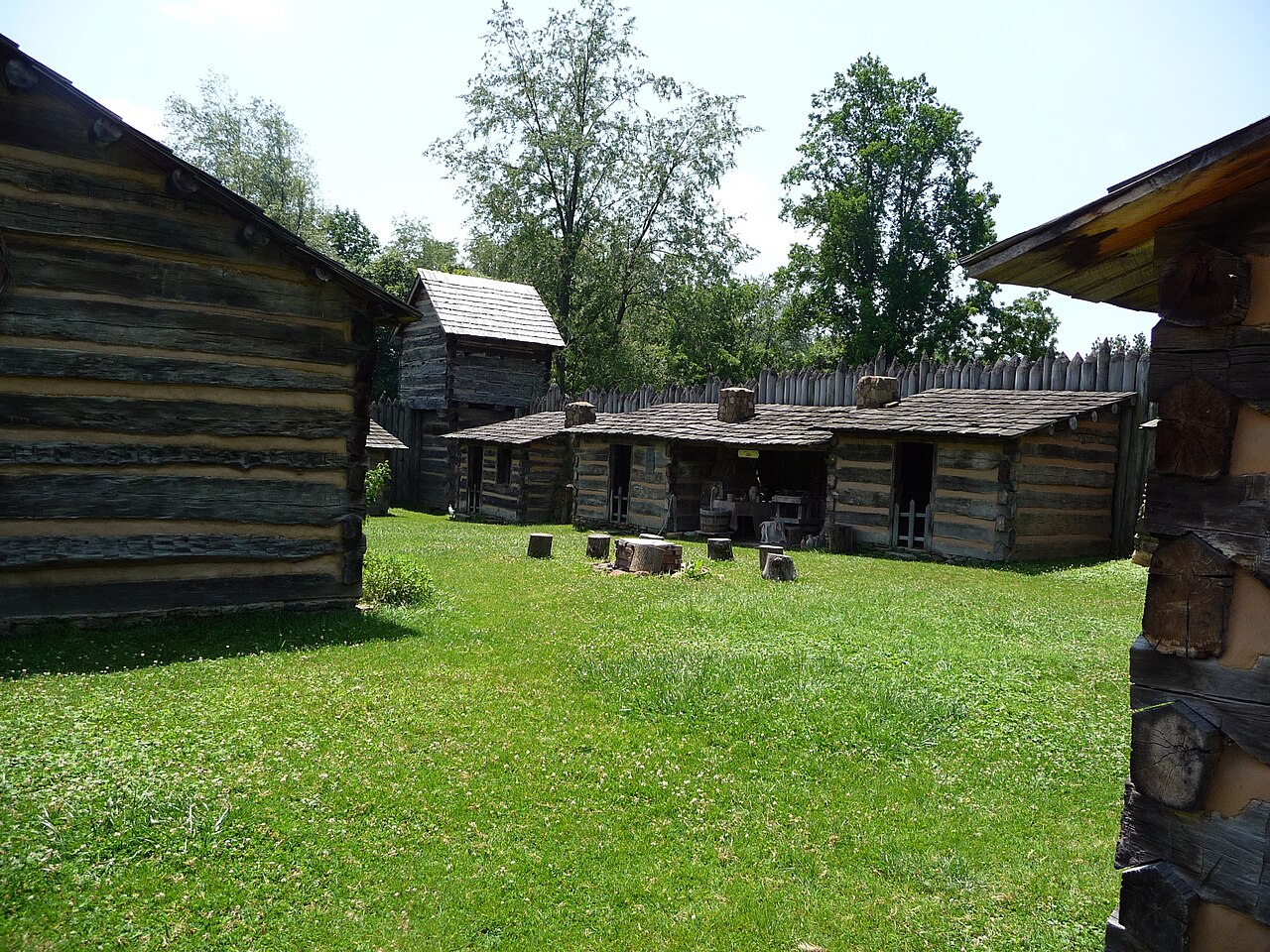

A reconstructed fort and living-history interpretation introduce visitors to life on the late eighteenth-century frontier. The setting also has trails and room for a picnic.
The park grounds are free, but the fort is among the attractions that charge admission. Check the seasonal interpretation schedule before making a special trip. Visitor information.
17. Sandstone Falls
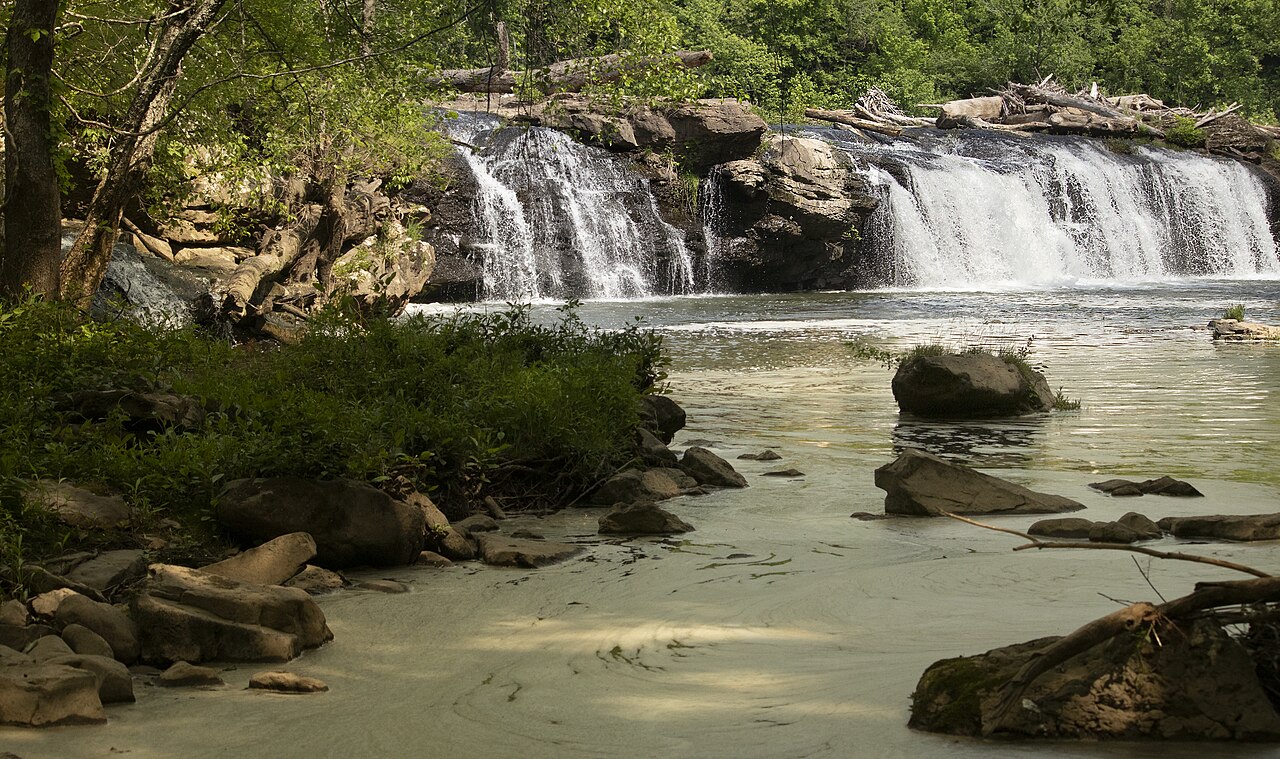

At Sandstone Falls, the New River spreads across a broad ledge instead of plunging through a narrow chute. A boardwalk makes the river landscape accessible to many visitors without a long hike.
Allow time for the drive along the river and check road conditions. Stay on established paths and away from swift water. Visitor information.
18. Helvetia
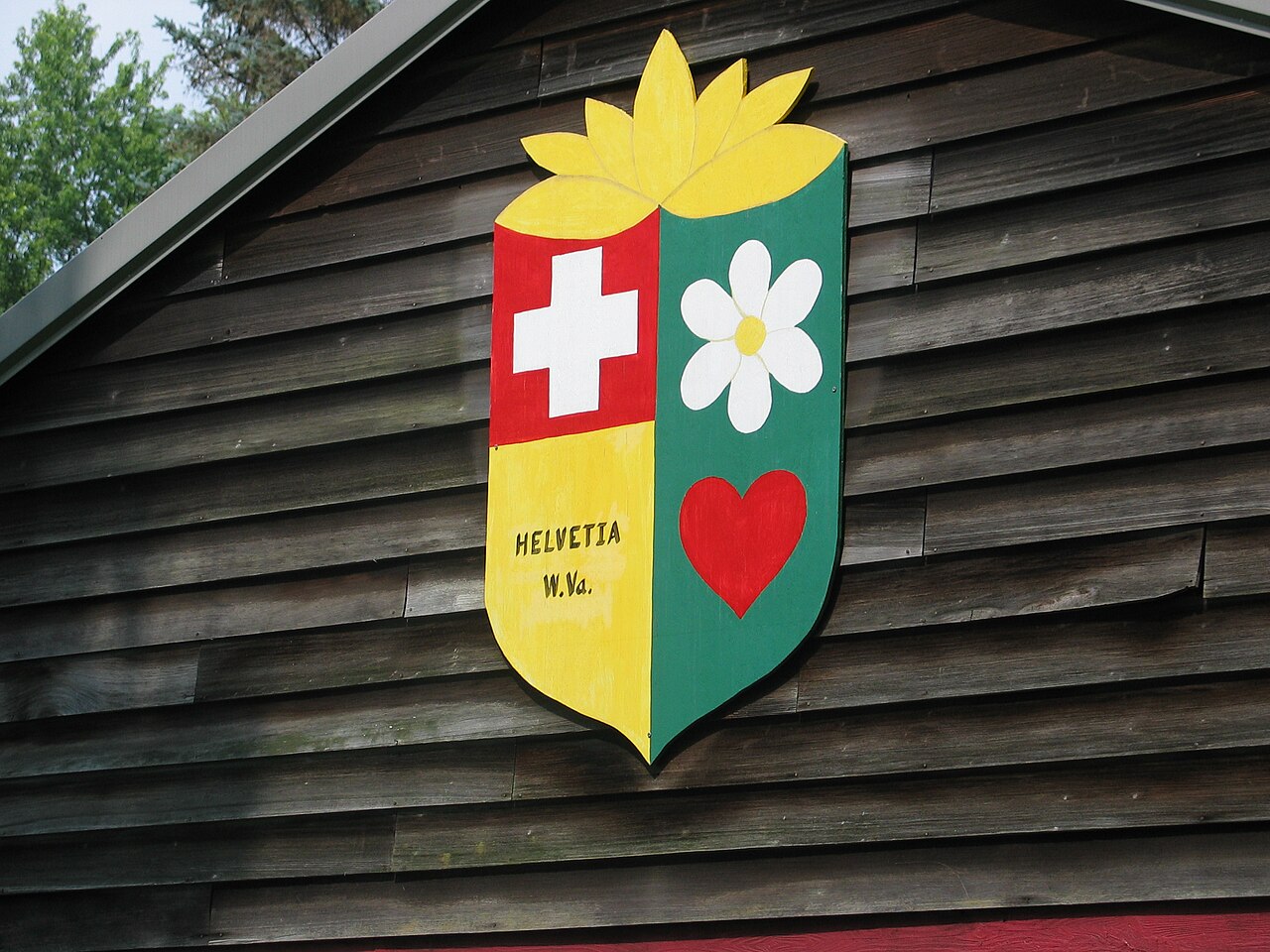

This small Randolph County village keeps a distinct Swiss and German heritage alive through food, traditions and community events. Its mountain setting makes the journey part of the experience.
Check local calendars and restaurant hours before going. Be considerate of residents and do not assume private buildings are open to visitors. Visitor information.
19. Centre Market — Wheeling
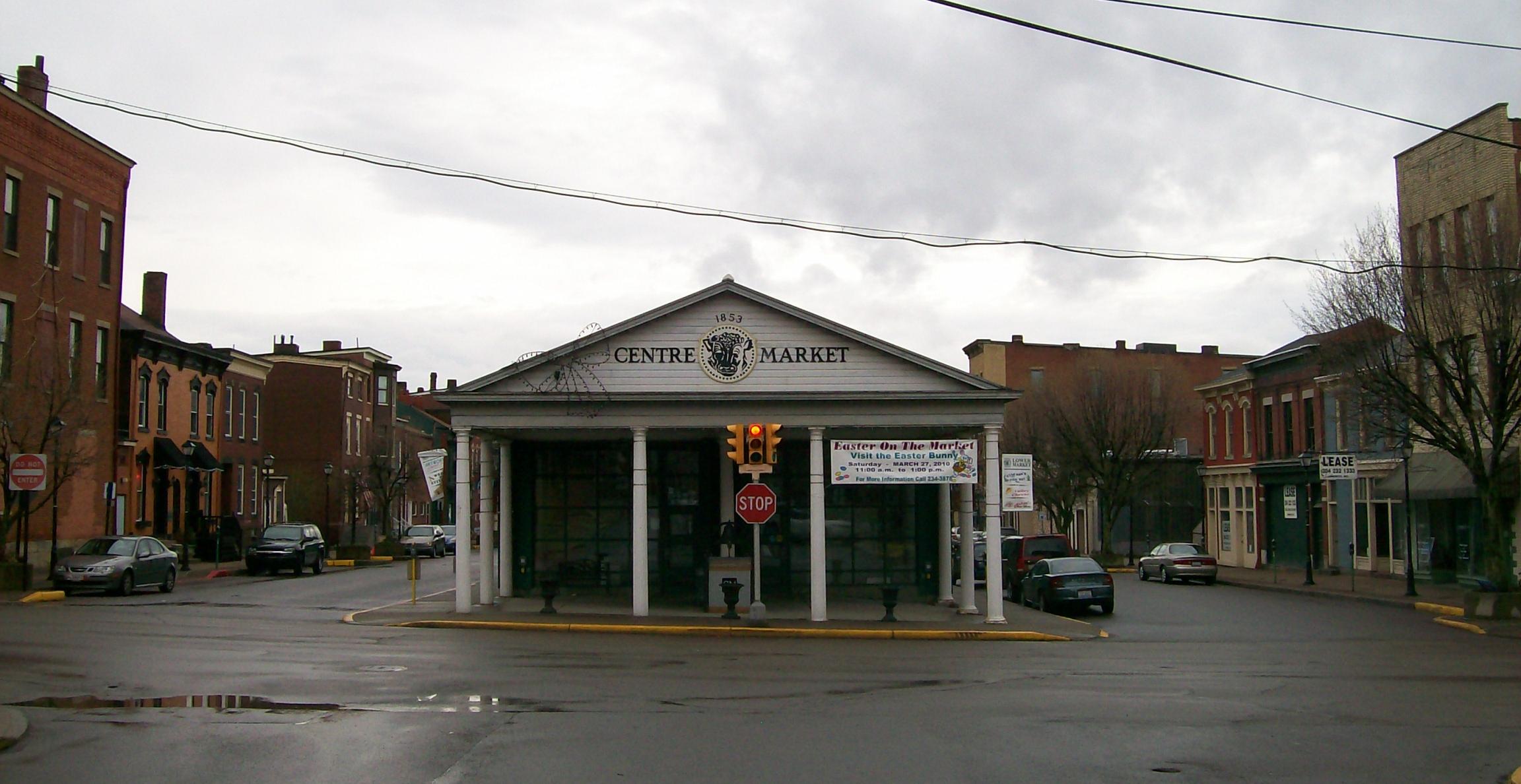

Wheeling’s market district combines historic architecture with shops and places to eat. It is a reminder that a memorable West Virginia stop does not need to be a mountain overlook.
Walk around the market and check individual business hours. Pair it with Independence Hall for a city day trip with two very different kinds of history. Visitor information.
20. Cranberry Glades
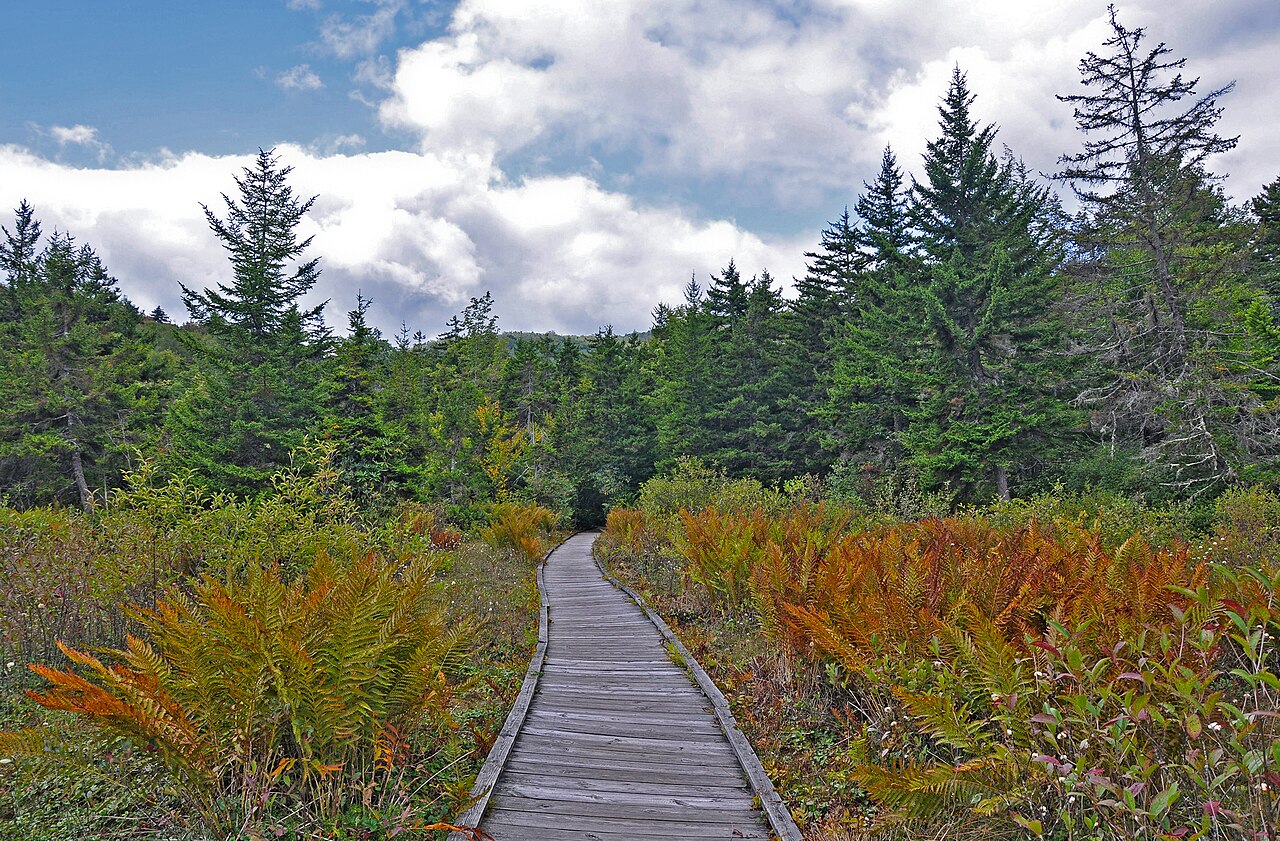

The Cranberry Glades Botanical Area protects an unusual high-elevation wetland landscape in the Monongahela National Forest. A boardwalk lets visitors look closely while helping protect the fragile habitat.
Stay on the boardwalk and check Forest Service access and road conditions before traveling, especially outside the warmer months. Visitor information.