
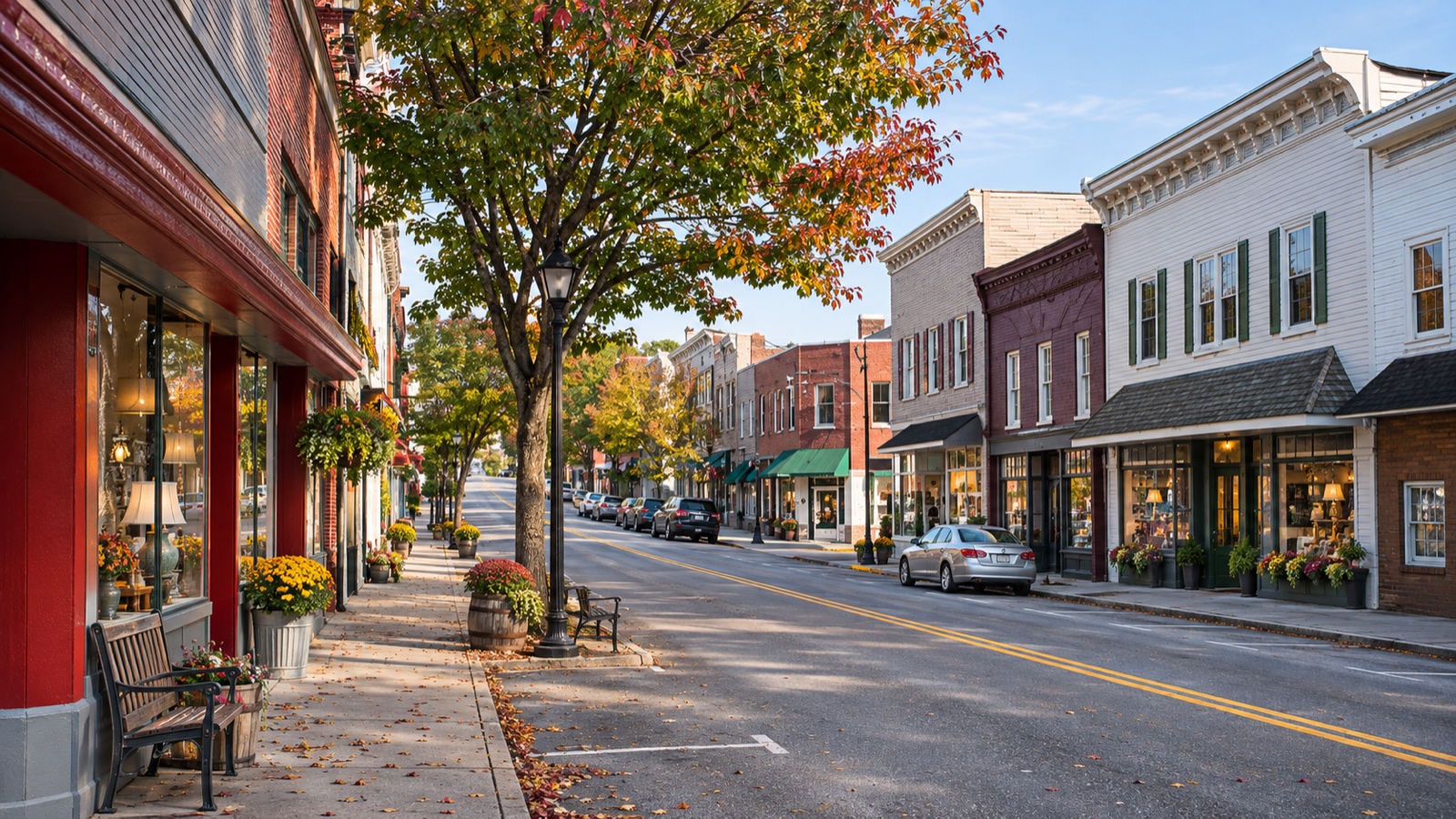
Featured image: AI-generated image based on a photograph by MarkMcCain, CC BY-SA 4.0. Generated image shared under the same license.

A brick storefront, a railroad depot or a quiet street of old houses can make a familiar state feel new again. These West Virginia communities offer plenty of places to slow down and look more closely.
“Frozen in time” describes the feeling of their historic places, not the people who live there. Each is a living community with its own present and future. Respect private property and check individual hours before visiting.
1. Harpers Ferry
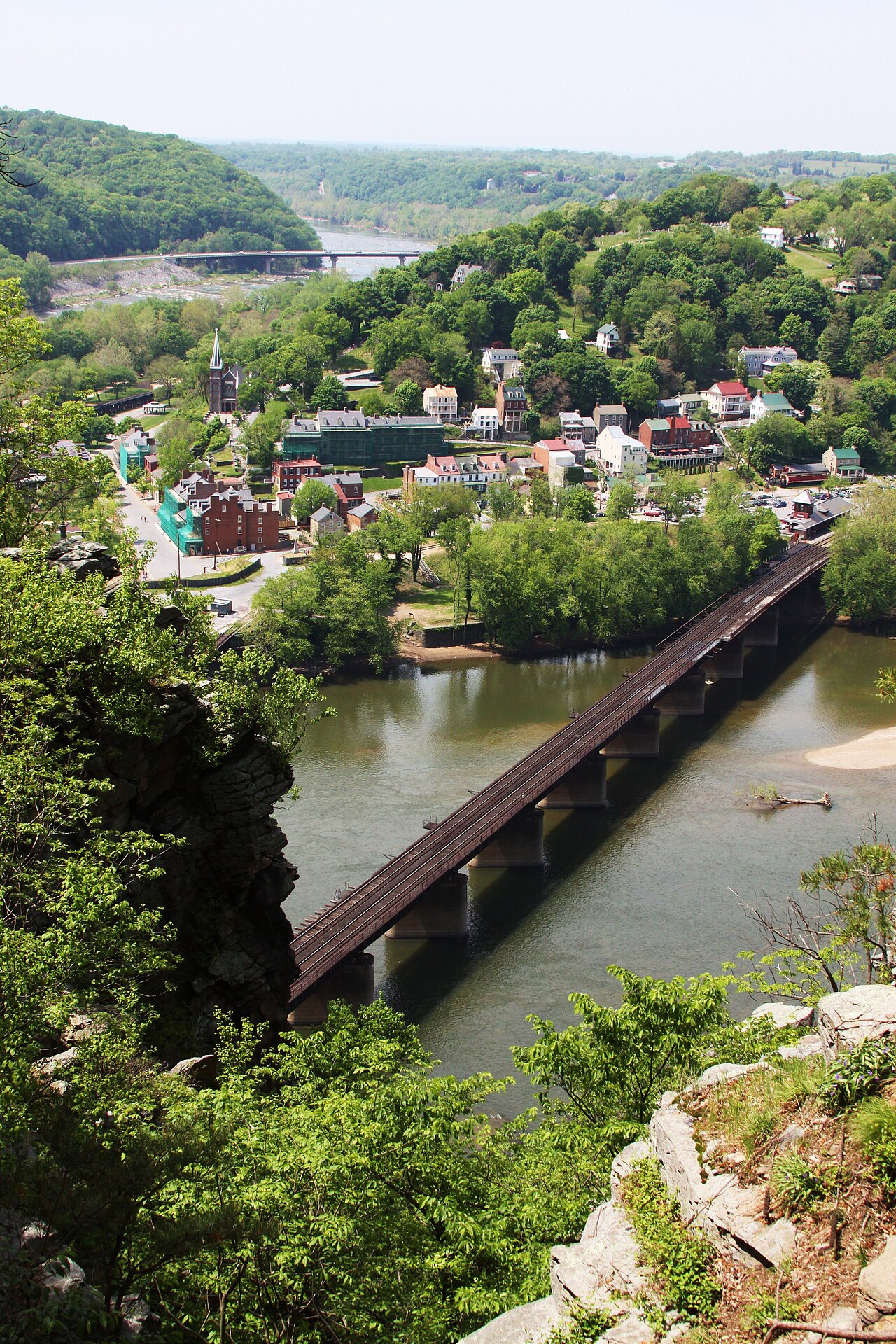

At the meeting of the Potomac and Shenandoah rivers, Harpers Ferry packs an extraordinary amount of history into a small landscape. In Lower Town, old buildings and exhibits tell stories of industry, John Brown’s raid and the Civil War.
Start at the national park visitor center and use the shuttle or walking trail to reach Lower Town. Parking, park fees and exhibit hours are worth checking before you leave. Visitor information.
2. Shepherdstown
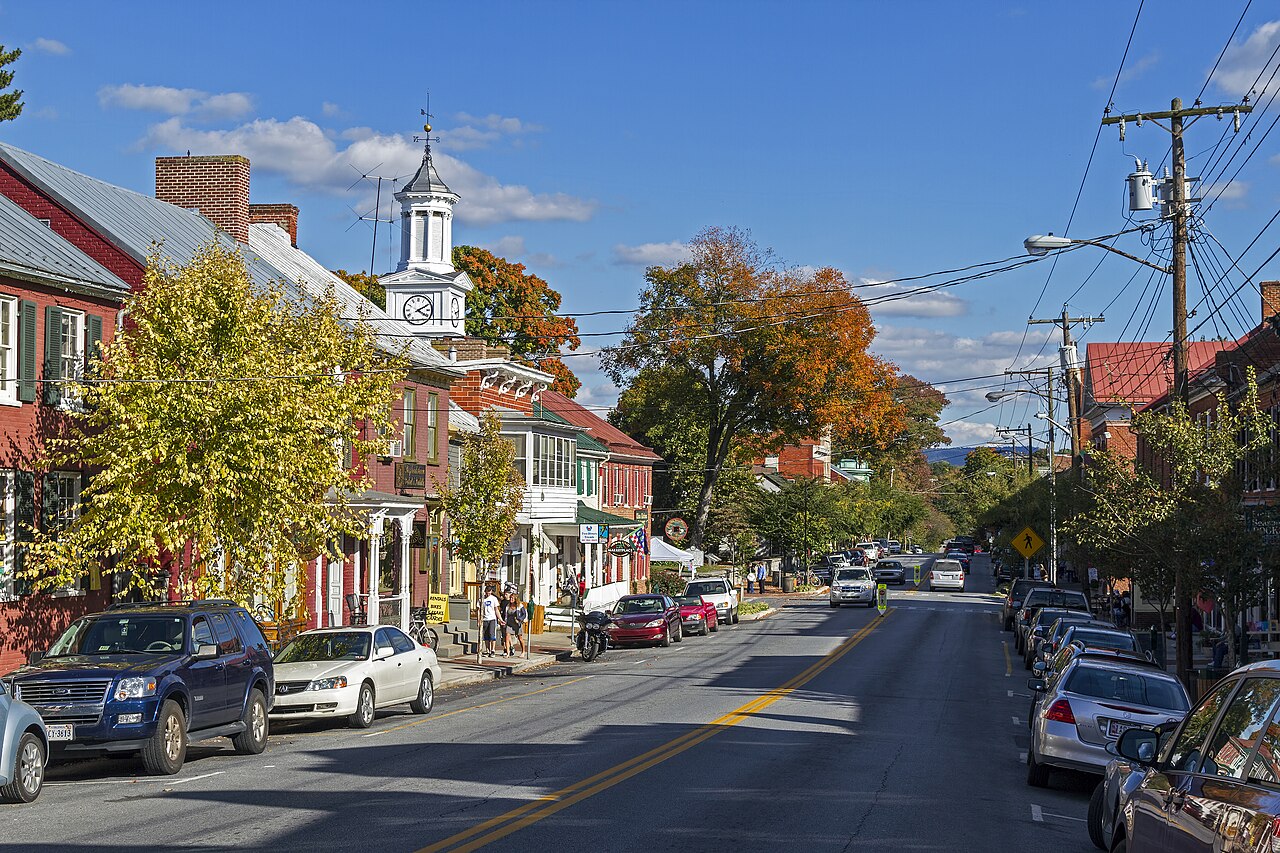

Shepherdstown’s German Street mixes historic architecture with bookstores, cafes and a working university community. It is one of West Virginia’s oldest towns, but its appeal is not a museum-like stillness: people live, work and create here.
Take a slow walk through the historic district and look for Town Run and the Potomac nearby. The town’s visitor information is useful for planning a self-guided visit. Visitor information.
3. Lewisburg
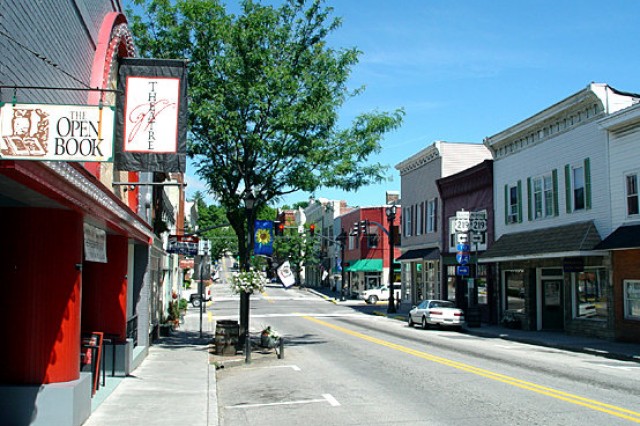
Historic storefronts and a walkable downtown give Lewisburg a strong sense of place. The city’s arts venues, shops and restaurants make the old buildings feel like part of a living community.
Set aside time to wander Washington Street, then check the schedule at Carnegie Hall if you want an evening performance. Reservations can be helpful on busy weekends. Visitor information.
4. Thomas
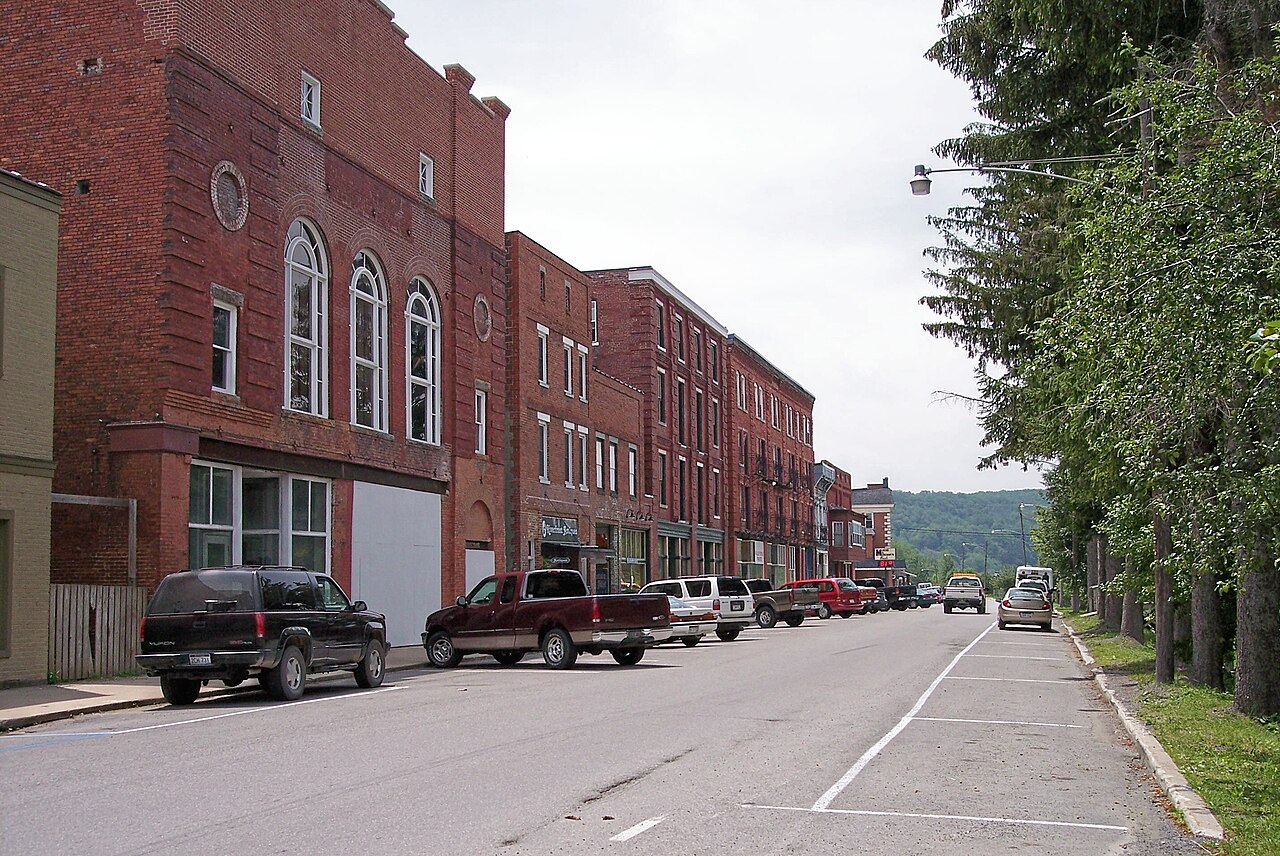

Thomas grew with the coal industry and still carries that history in its commercial buildings. Today its small downtown is also known for independent shops, art and music, making it an especially good stop for a slow afternoon.
Read up on the town’s mining history before you go, and check individual business schedules. Combine a walk here with nearby Davis and Blackwater Falls if the weather cooperates. Visitor information.
5. Bramwell
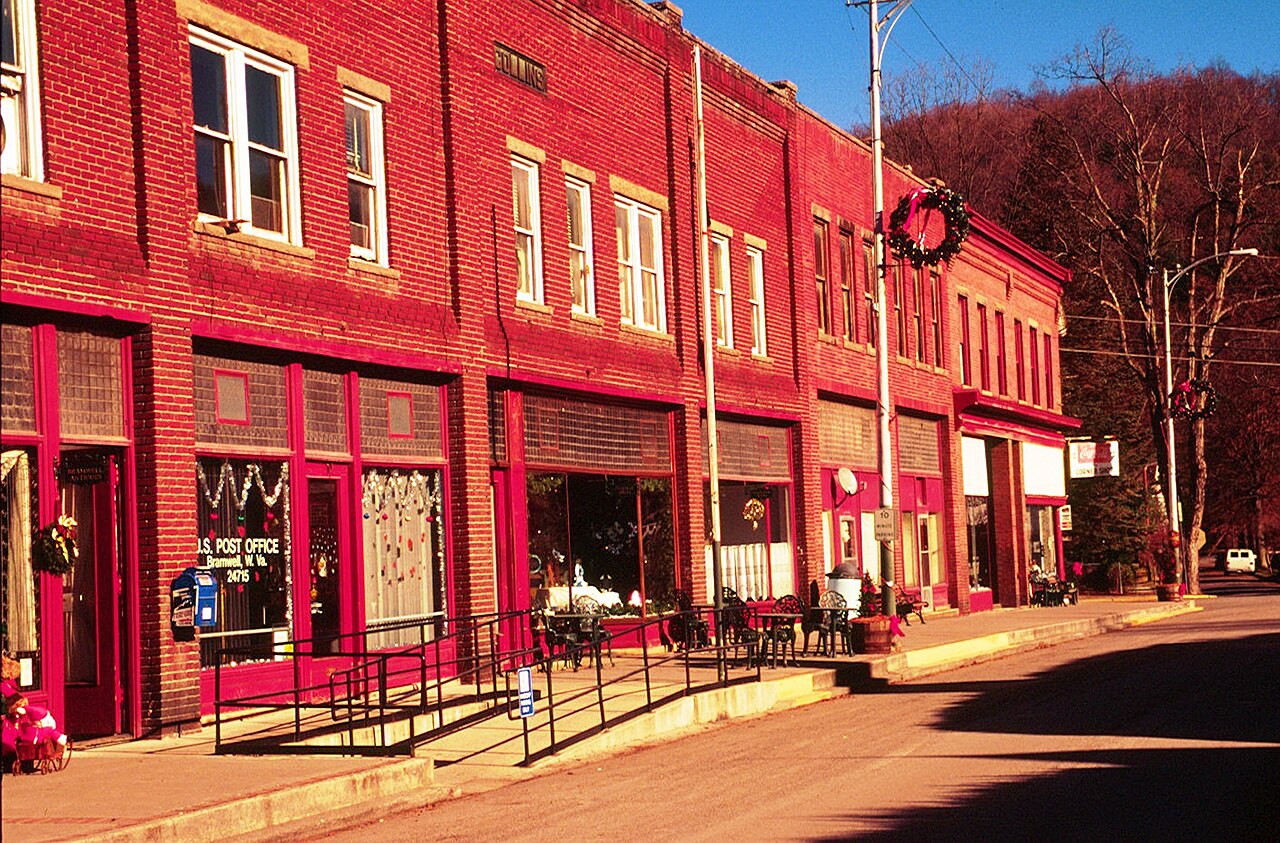

Bramwell’s brick streets and substantial historic houses recall the wealth generated by the southern coalfields. State tourism points visitors toward the old homes and the former bank in the historic district.
A walking visit is the best way to notice the details. Many houses are private residences, so enjoy them from public streets unless an advertised tour offers access. Visitor information.
6. Helvetia
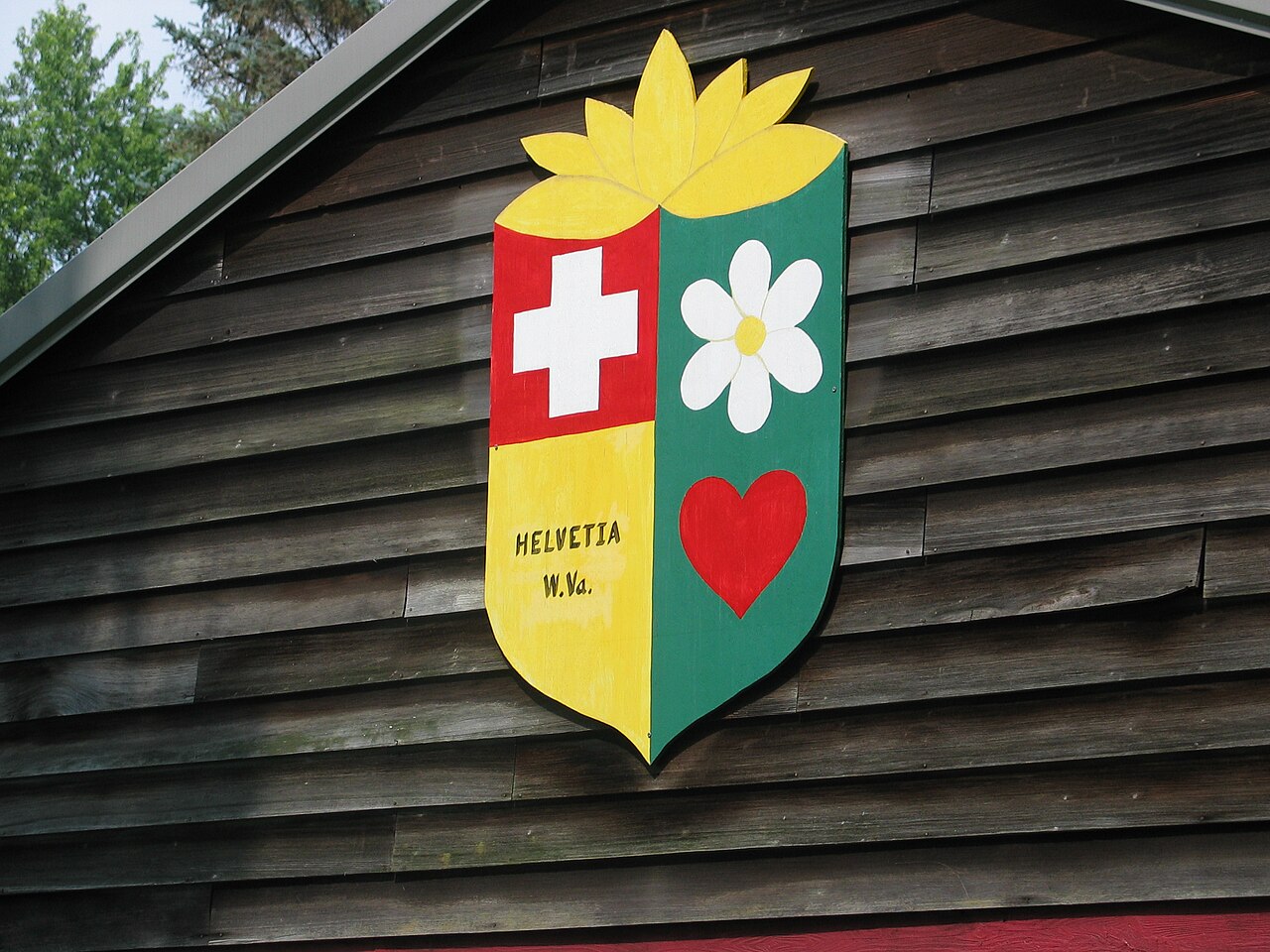

Helvetia is a small unincorporated village whose Swiss and German heritage remains visible in local traditions. Founded by settlers in 1869, it offers a different kind of West Virginia mountain-town story.
This is a community, not a theme park: arrive respectfully, check the Hütte’s schedule if a meal is part of the plan, and allow for narrow mountain roads. Visitor information.
7. Hinton
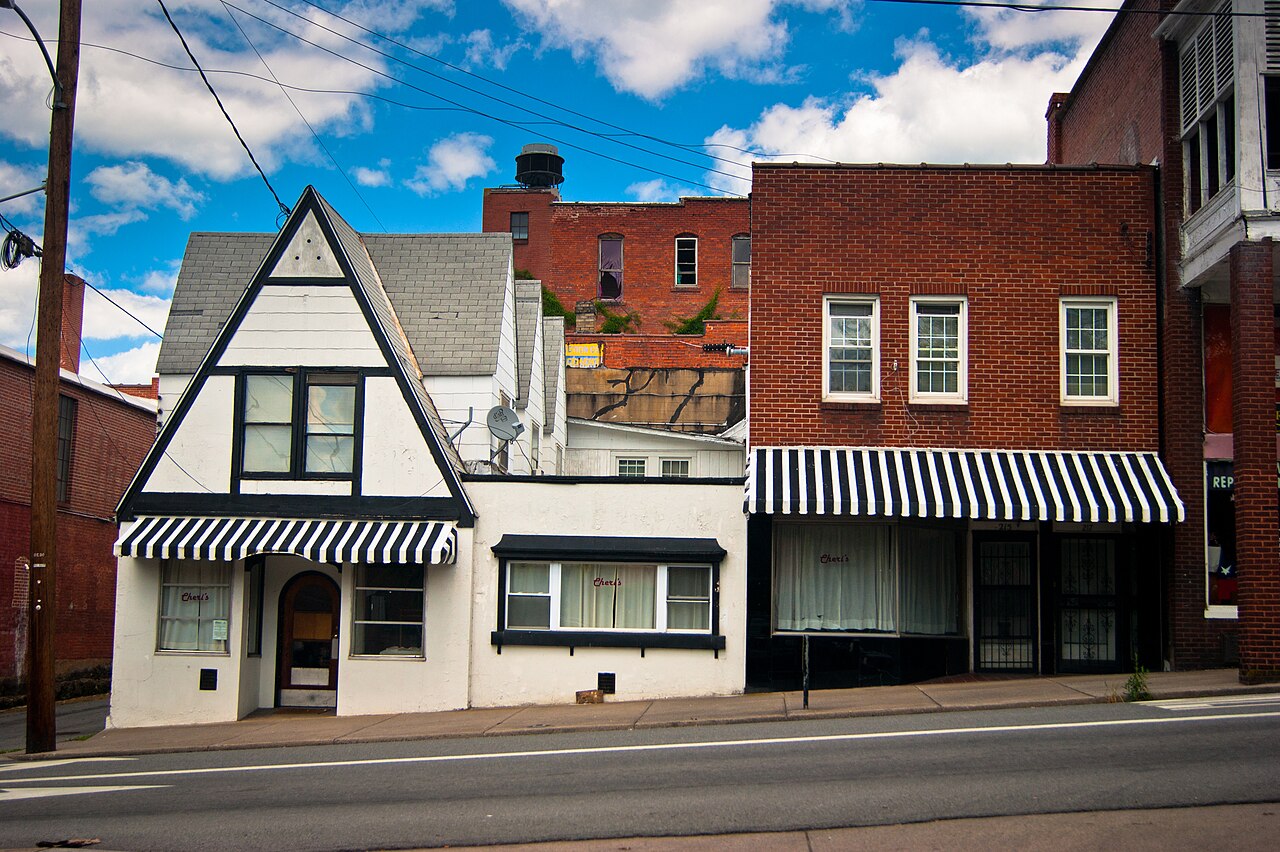

Hinton’s historic district grew around the railroad and the rivers of southern West Virginia. Its older commercial buildings reward a walk, while the surrounding New River landscape gives the trip a second act.
Look into the local railroad museum’s hours before visiting. Sandstone Falls is a separate outing nearby in the national park, so allow enough time for the road between them. Visitor information.
8. Berkeley Springs
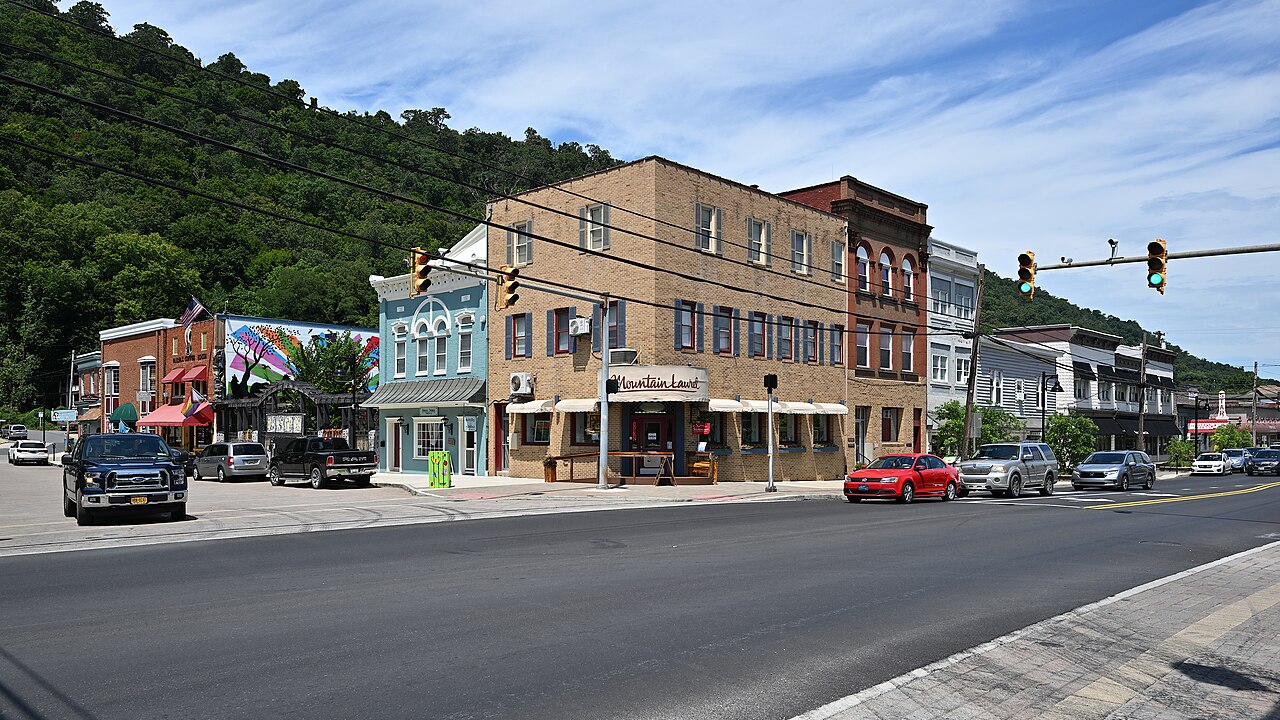

Berkeley Springs has long drawn visitors to its warm mineral springs. Today the walkable center combines historic buildings, shops and the state park in the middle of town.
Stroll the park grounds and check separately for spa reservations and paid treatments. The spring water is part of the town’s story, but a soak is optional. Visitor information.
9. Marlinton
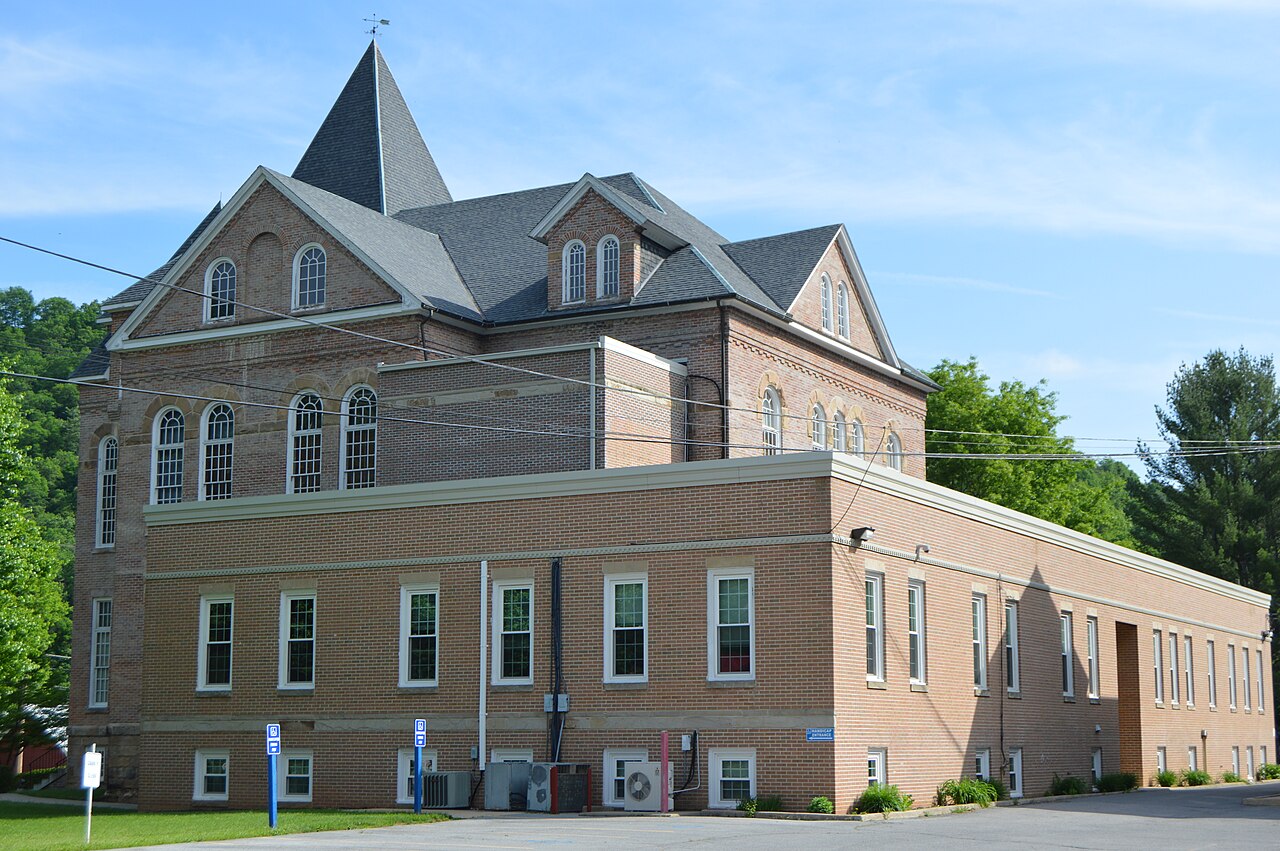

Marlinton is a mountain town with a historic depot, an old opera house and the Greenbrier River nearby. Its downtown invites a gentle pace, especially if you like places where railroad history and outdoor recreation meet.
Use the town’s visitor guide to choose a few stops, then check the Greenbrier River Trail access and conditions if you plan to walk or ride. Visitor information.
10. Elkins
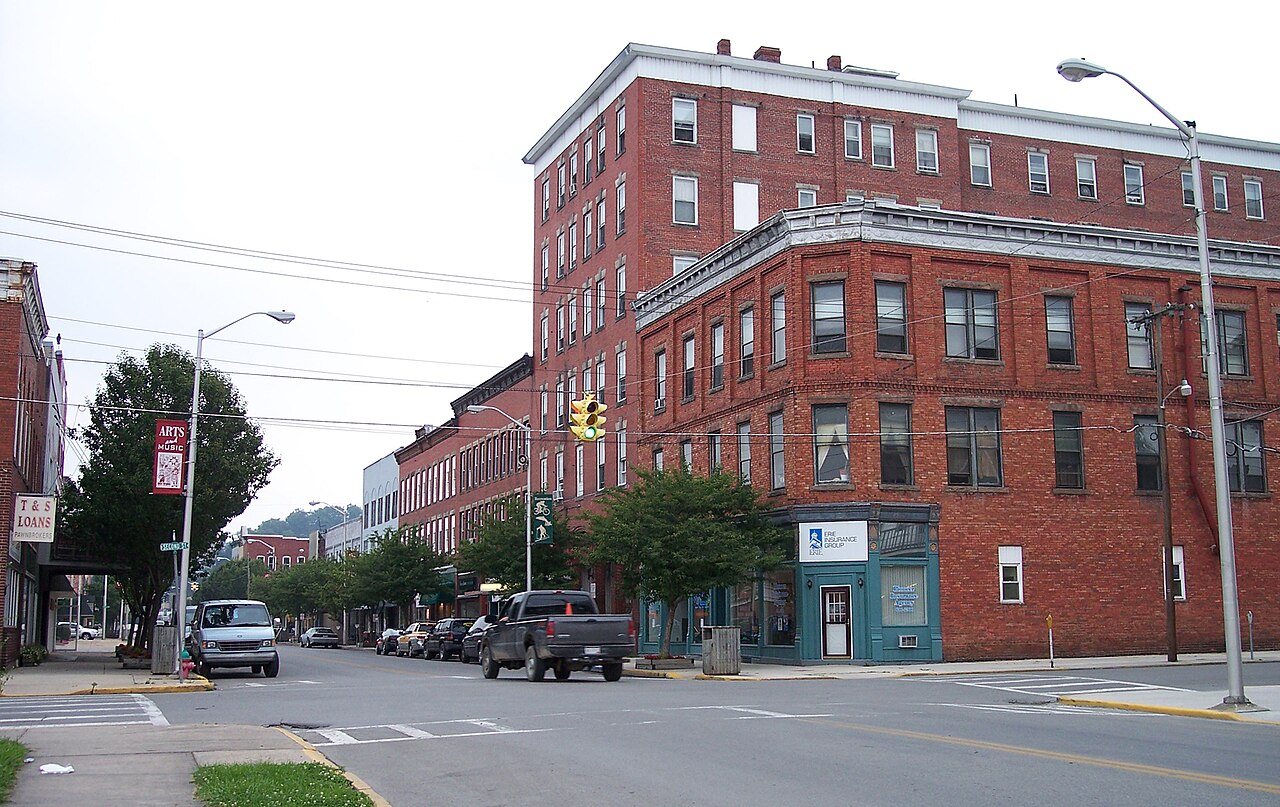

Elkins offers historic downtown architecture and a strong connection to mountain rail travel. It is also a useful base for exploring the surrounding Monongahela National Forest.
Walk Davis Avenue, check the calendar for local performances, and verify excursion-train dates if a rail trip is important to you. Routes and schedules change by season. Visitor information.
11. Fayetteville
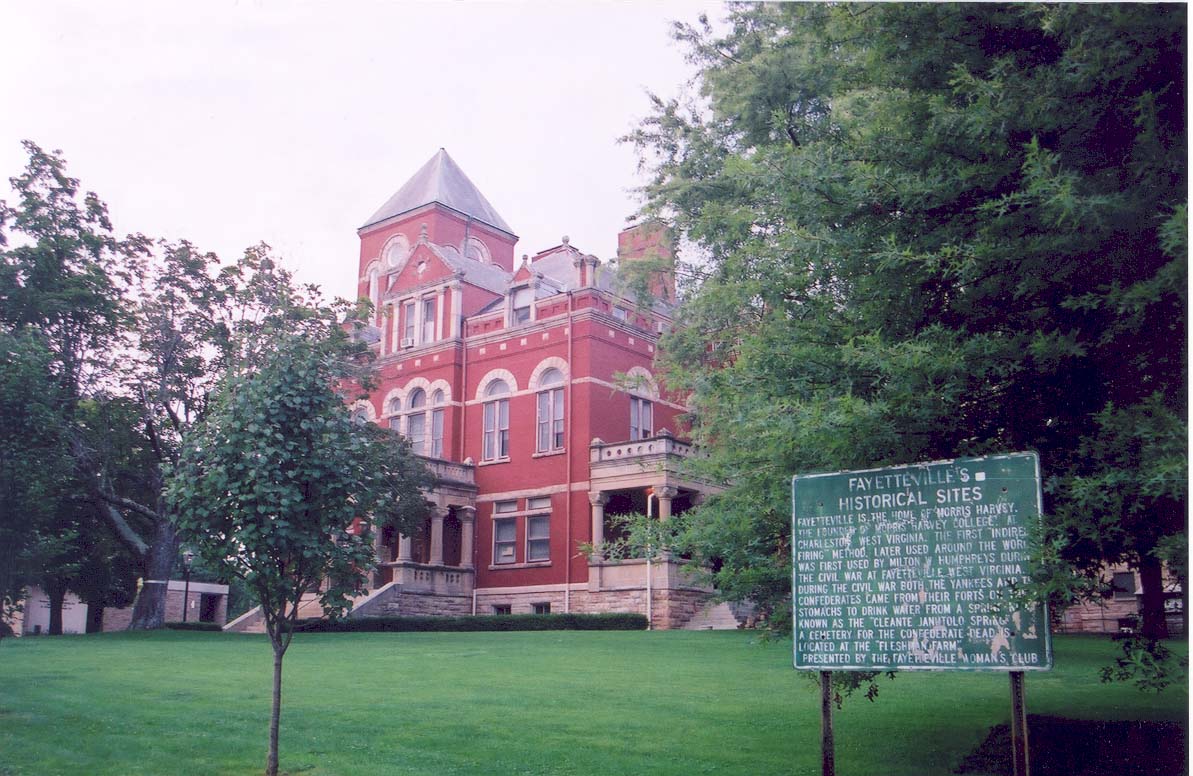

Fayetteville’s courthouse square and older storefronts give visitors a reason to look beyond the famous bridge. The town works well on foot, with places to eat before or after a national park outing.
Leave room in the schedule for the downtown itself. The New River Gorge is spread out, so pick an overlook or trail rather than assuming every attraction is just around the corner. Visitor information.
12. Point Pleasant
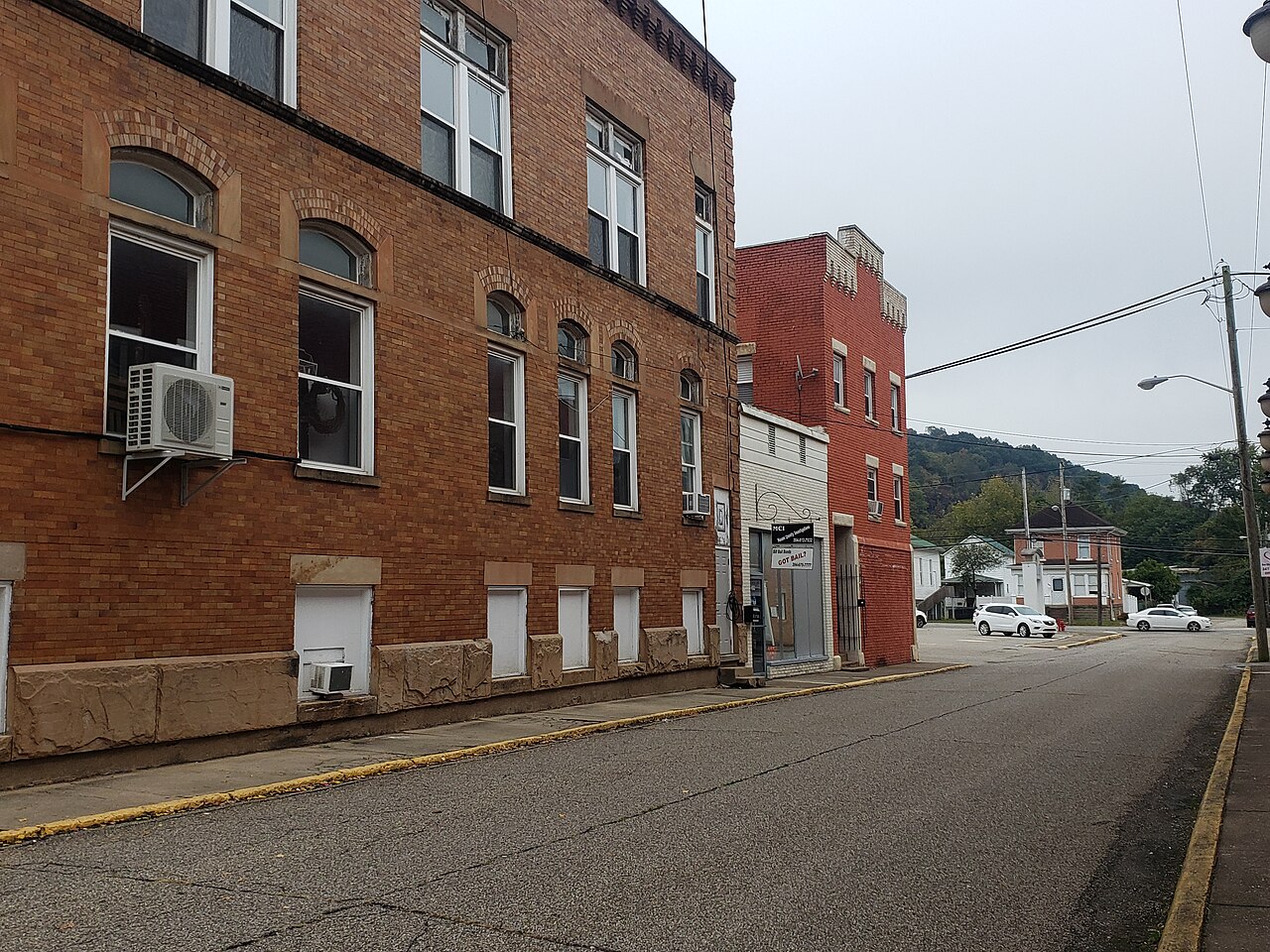

Point Pleasant brings together river history, a historic Main Street and the wonderfully strange Mothman legend. The older buildings are part of an active downtown, with shops and restaurants steps from the riverfront.
Walk toward Tu-Endie-Wei State Park at the meeting of the Ohio and Kanawha rivers, then explore Main Street. Museum and shop schedules vary. Visitor information.